

Available products
29 references · page 1 / 2




Looking for a wholesale dried fruit supplier?
I'm Jessica, your dedicated wholesale account manager.
Direct sourcing — Rungis and Bordeaux.
- ✓Direct sourcing from producers
- ✓Quality controlled (shelf-life, calibre, origin)
- ✓Next-day delivery in Île-de-France
- ✓Bulk, custom packaging, co-packing
- ✓B2B account with pricing tiers
Shipping & pickup
Rungis pickup
Pick up your order at our Rungis market depot. By appointment Monday through Friday.
Nationwide delivery
Delivery within mainland France and major European cities. Indicative lead time 24-48h.
Careful packaging
Reinforced cardboard, anti-shock padding, traceability labels.
Frequently asked questions
About this category
A blend is an assembly you no longer make
Composing a blend yourself means three things: holding every component in stock, weighing them in the right proportions, and repeating it identically next week. The third is the hardest. A blend bought ready to use removes all three at once, and above all guarantees a customer will find the same thing from one month to the next.
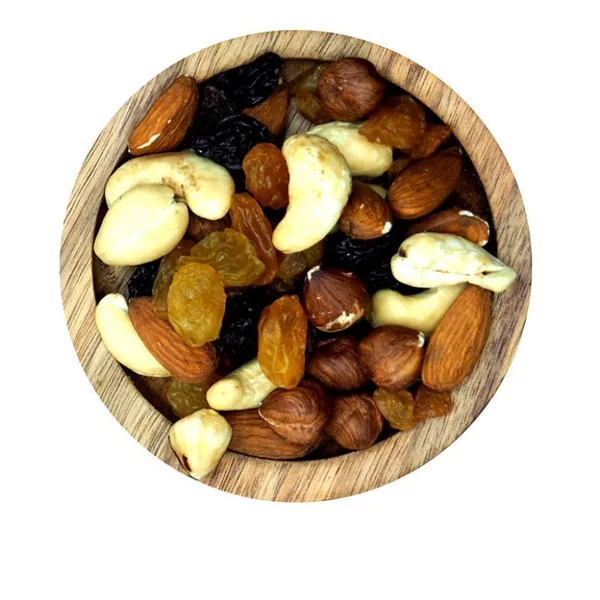
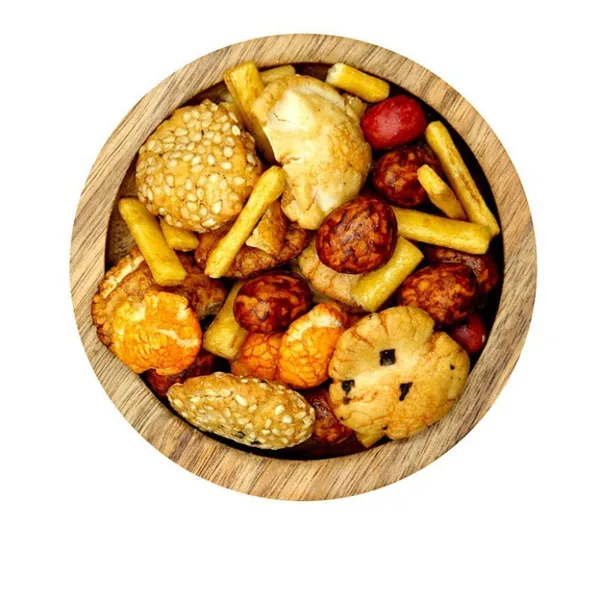
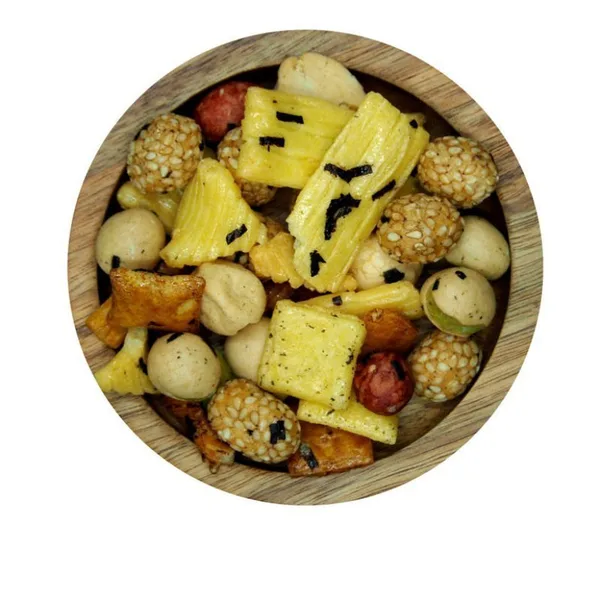
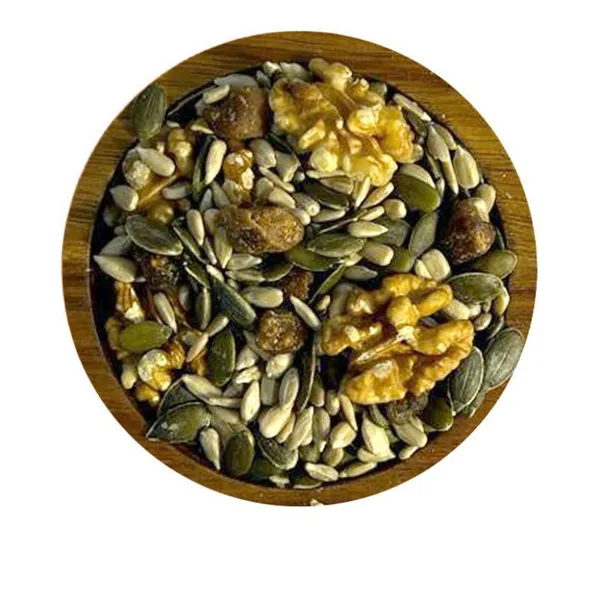
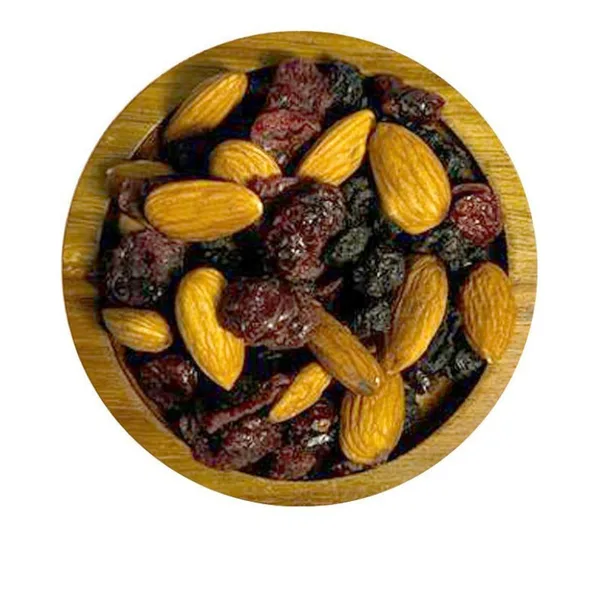
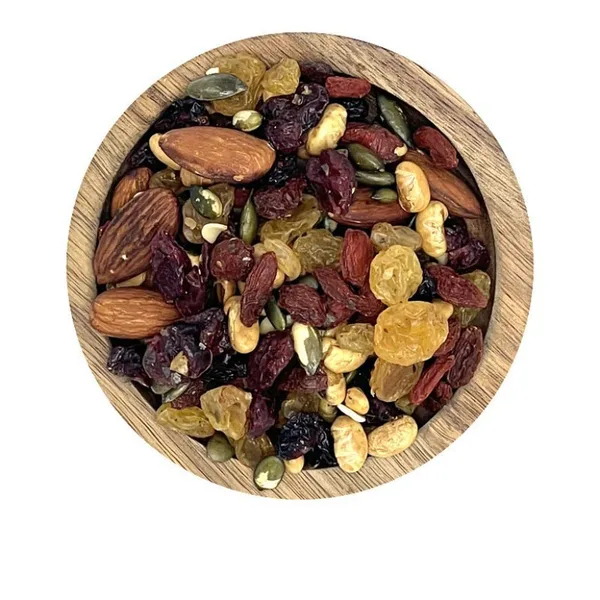
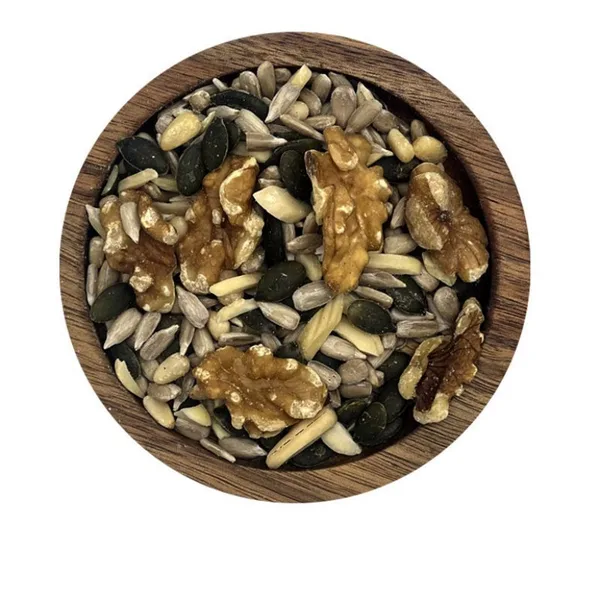
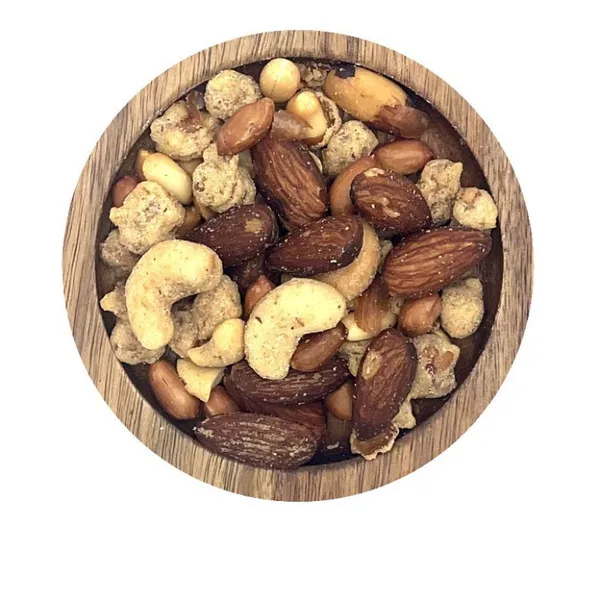
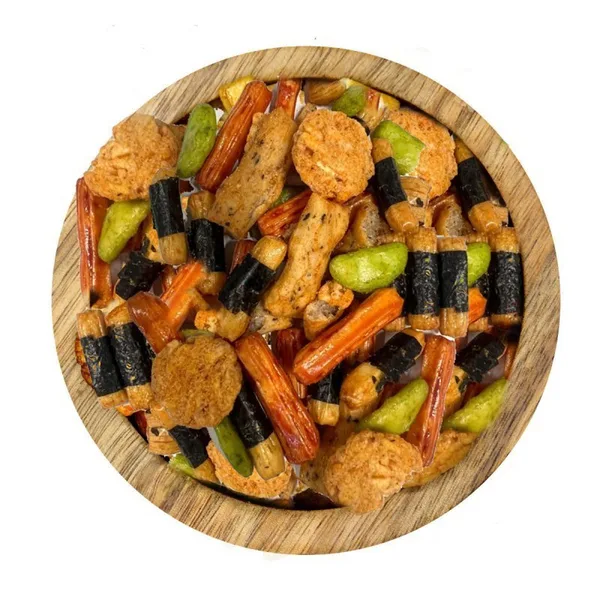
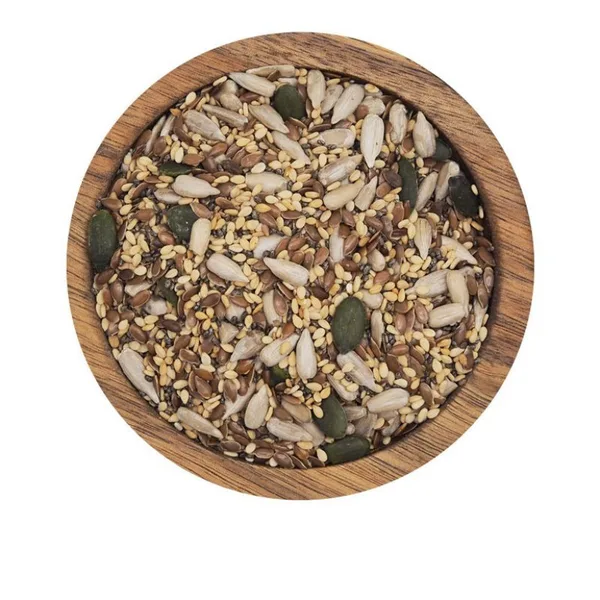
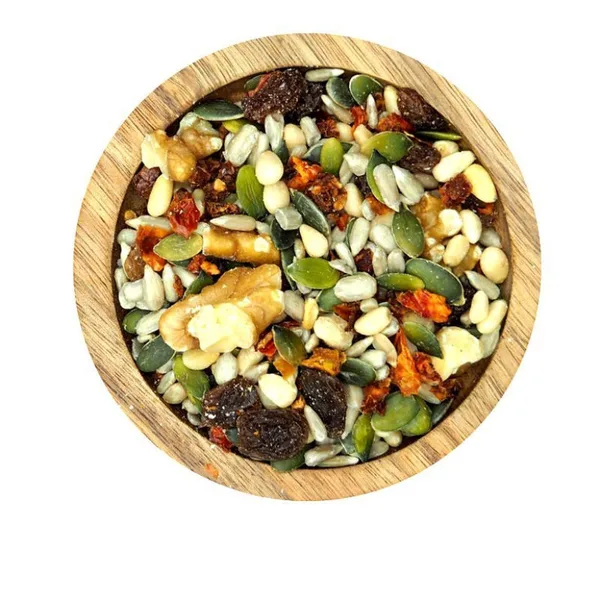
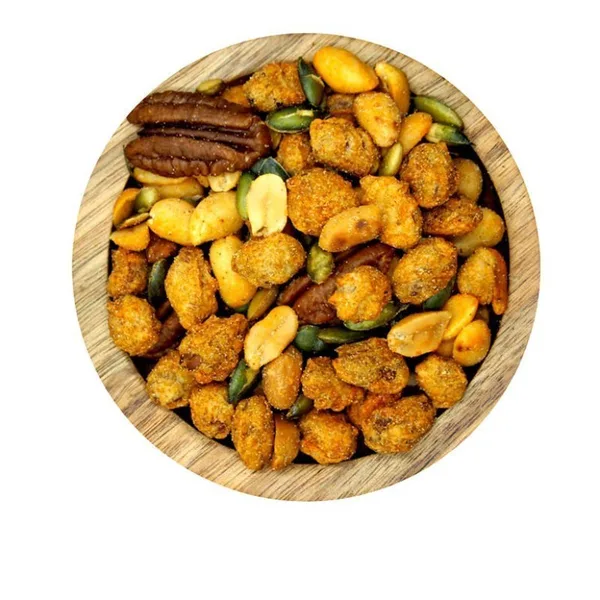
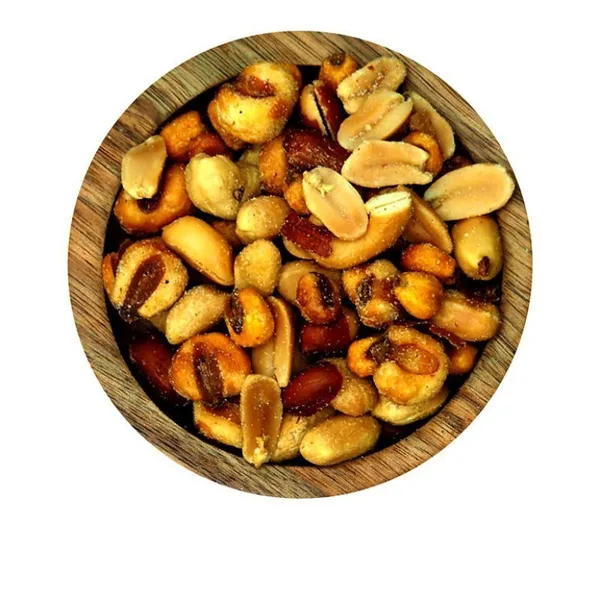
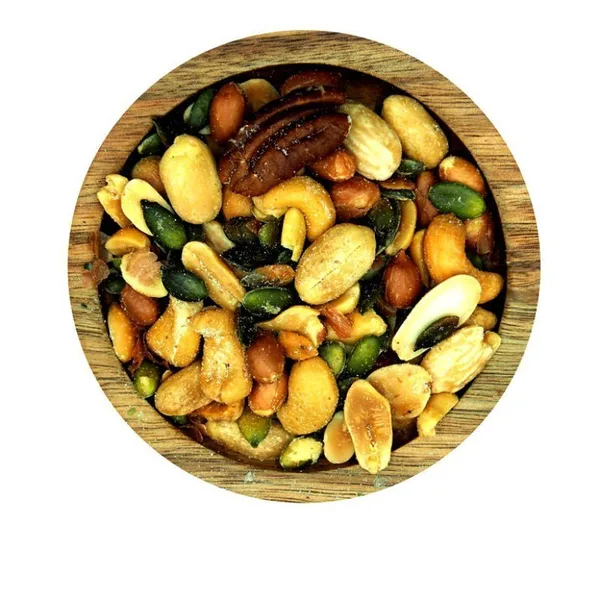
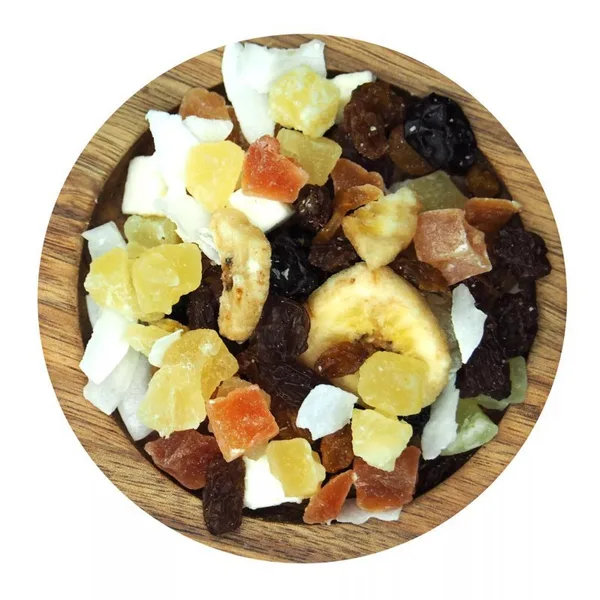
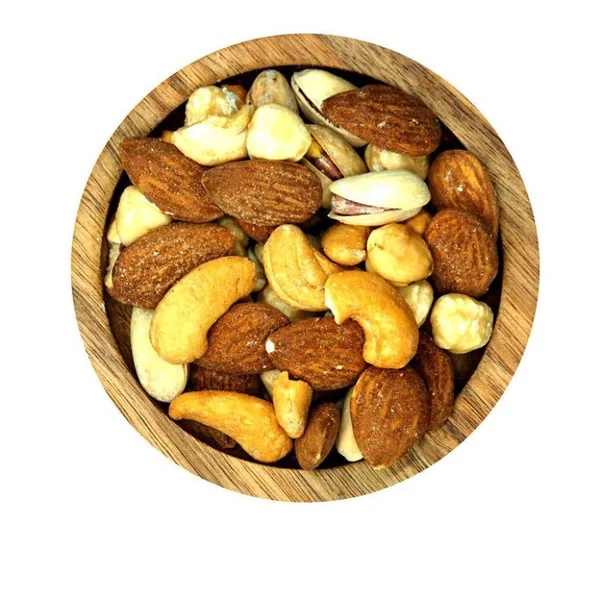
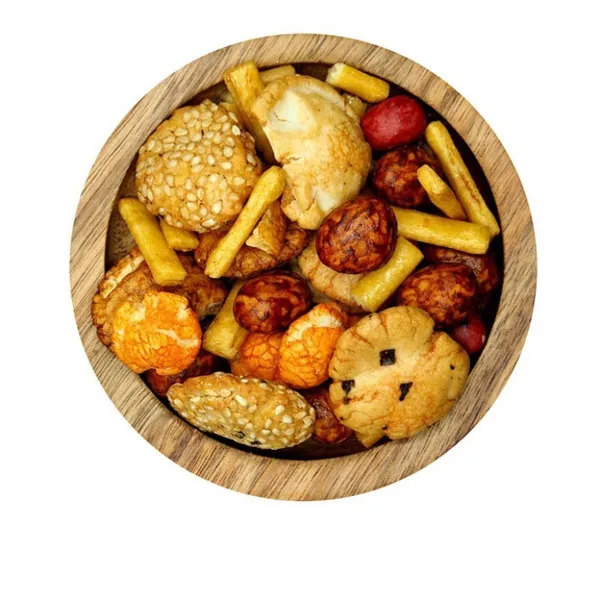
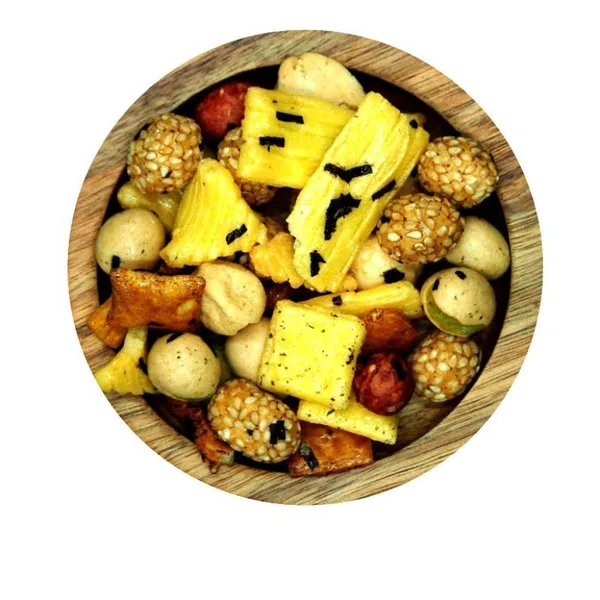
That is what the pail blend range carries. Each recipe has a name and a stable identity: Mendiant and Mendiant Superior, King, Gourmet, Arlequin, Vatel, Alice, Cactus. Beside those classics sit compositions of Japanese inspiration — Cipangu Mix, Ajino Tayori, Hokkaido, Osaka — and gentler blends aimed at breakfast and toppings: Muesli, Zen, Equilibre, Sante, Wellbeing Mix, Salad Mix.
A blend carries, by nature, a composite ingredient list: the European consumer information framework is presented on the Commission's labelling and nutrition portal. That is the point to check on each product sheet before reselling a recipe or adding it to a menu.
Three families of blends
The table below splits the range by intent rather than by ingredient. The same pail does not serve an aperitif platter and a breakfast buffet.
| Family | Reference recipes | Moment of consumption |
|---|---|---|
| Classic blends | Mendiant, Mendiant Superior, King, Gourmet, Vatel | platter, sale by weight, end of meal |
| Aperitif and Japanese blends | Cipangu Mix, Ajino Tayori, Hokkaido, Osaka, Cactus | bar, aperitif, savoury snacking |
| Gentle blends and toppings | Muesli, Zen, Equilibre, Sante, Salad Mix | breakfast, bowl, salad, yoghurt |
| Exotic blends | Exotic Superior, pineapple and papaya mix | dessert, buffet, sale by weight |
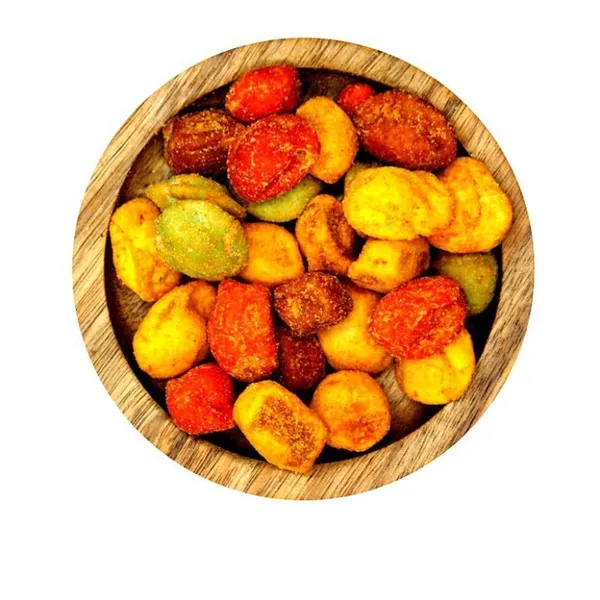
| Smoked and spicy blends | Royal Smoked, Coctel al Sol spicy, Amigo | bar, savoury platter, evening service |
Why the pail suits a blend
The blend is the product that suffers most from the wrong container. In an open sack, components separate by density: small pieces sink, large ones rise, and the last portions no longer resemble the first. The pail limits that because it closes again and is handled as one block.
- A container you close: the recipe stays away from moisture between services, which matters especially for blends containing coated or puffed elements.
- Mixing is possible: the pail can be stirred before serving to restore the original balance, impossible with a half-emptied sack.
- A visible portion: the remaining quantity reads at a glance, avoiding a shortage mid-service.
- Matched weights: from 2 kg for a niche recipe to 5 kg for a fast-moving classic.
Uses by trade
The same blend can serve very different trades. Here are the most common uses, to be adjusted to each menu.
- Hospitality professional: aperitif and Japanese blends at the bar, served in a bowl with no preparation at all.
- Hotels and breakfast: Muesli, Zen and Equilibre on the buffet, where consistency of composition counts as much as taste.
- Neighbourhood grocer: Mendiant and King sold by weight, two legible recipes that sell without explanation.
- Caterer: exotic blends and toppings for composed salads and bowls, where they replace three separate jars.
- Snacking: the spicy and smoked recipes, positioned on evening service.
Storage and rotation
Pails keep in a dry store, away from damp and direct light, within the date shown on the packaging. A blend ages at the speed of its most fragile component: in a recipe combining nuts and dehydrated fruit, the nuts usually set the pace.
For rotation, first in first out remains the rule, with the opening date written on the lid. Across a range of some fifteen recipes, that note is often the only way to tell apart two identical pails opened three weeks apart.
We advise stirring the pail before every service: a blend is judged on the first handful served, and it is the one from the bottom that disappoints when nobody has mixed it.— The Palimex team
The other pail ranges
Blends are only one family in the format: