

Available products
9 references

Looking for a wholesale dried fruit supplier?
I'm Jessica, your dedicated wholesale account manager.
Direct sourcing — Rungis and Bordeaux.
- ✓Direct sourcing from producers
- ✓Quality controlled (shelf-life, calibre, origin)
- ✓Next-day delivery in Île-de-France
- ✓Bulk, custom packaging, co-packing
- ✓B2B account with pricing tiers
Shipping & pickup
Rungis pickup
Pick up your order at our Rungis market depot. By appointment Monday through Friday.
Nationwide delivery
Delivery within mainland France and major European cities. Indicative lead time 24-48h.
Careful packaging
Reinforced cardboard, anti-shock padding, traceability labels.
Frequently asked questions
About this category
Whole or cut: the real dividing line
In a dried fruit catalogue, the first useful distinction is not between fruits but between shapes. A whole apricot and a diced apricot are not bought for the same reasons: the first is seen, placed on a tart, sold by weight; the second melts into a dough and disappears in baking. This page gathers the first group.
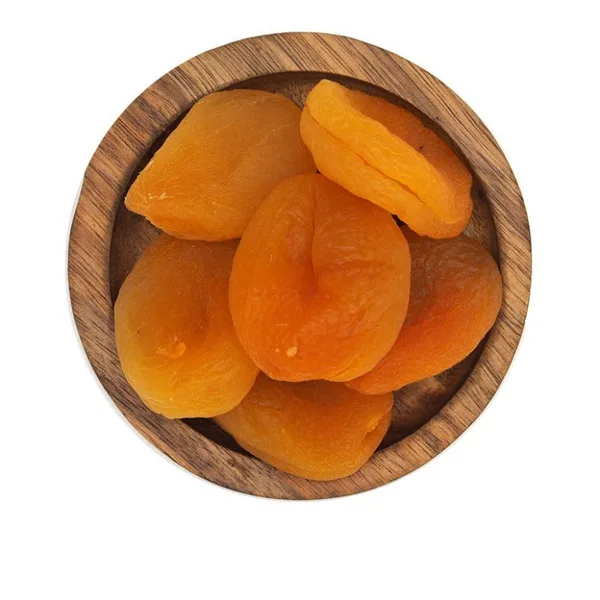
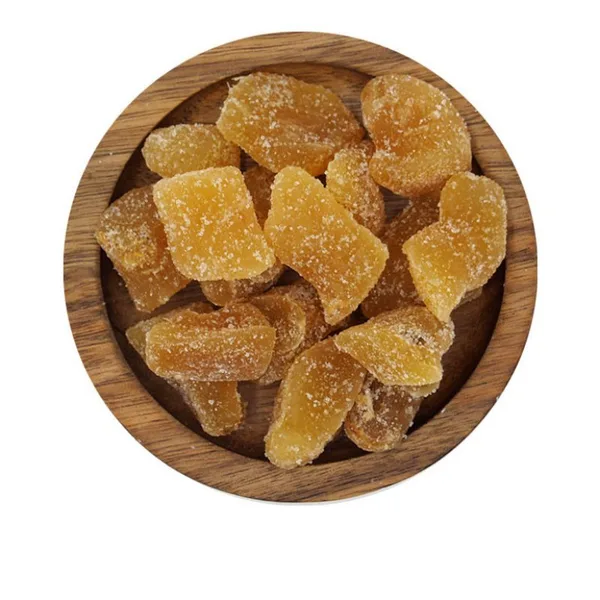
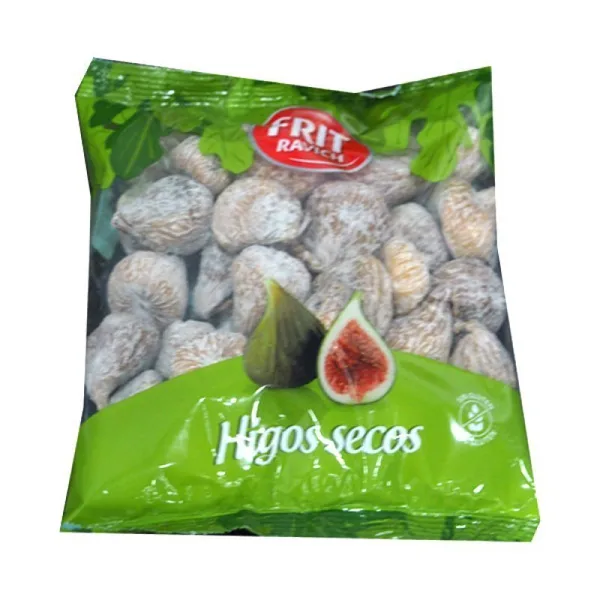
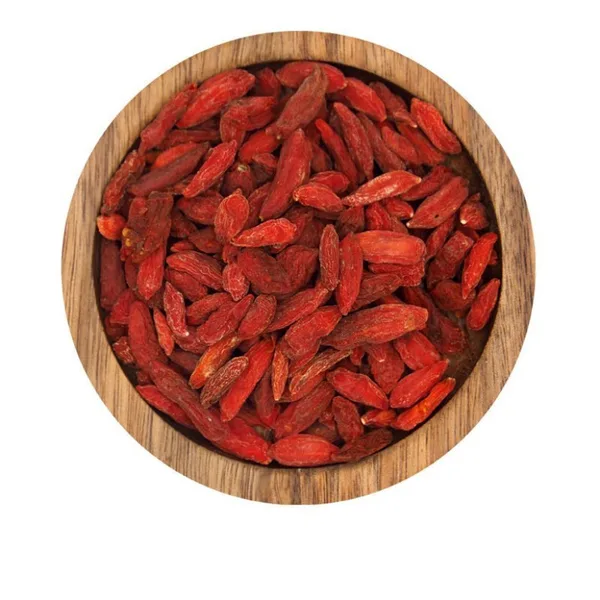
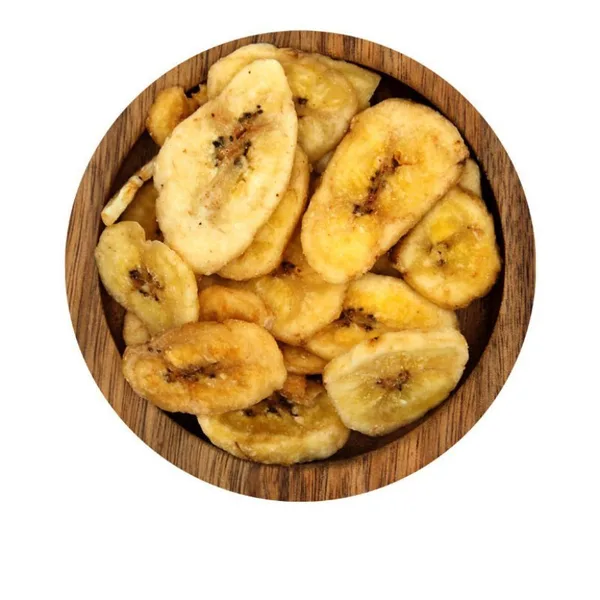
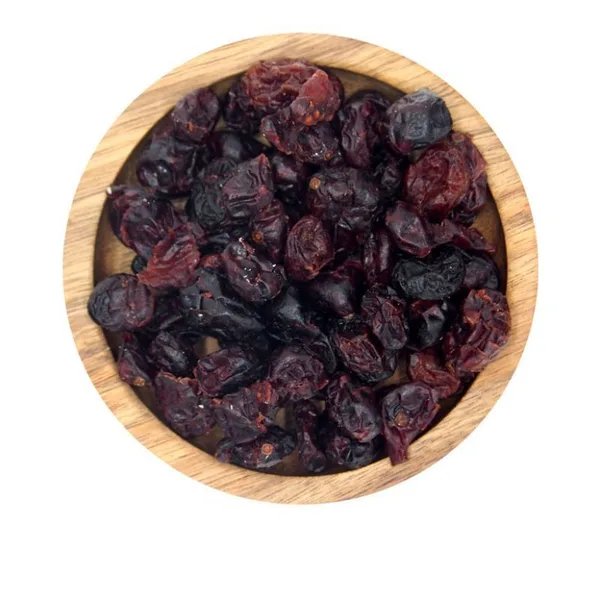
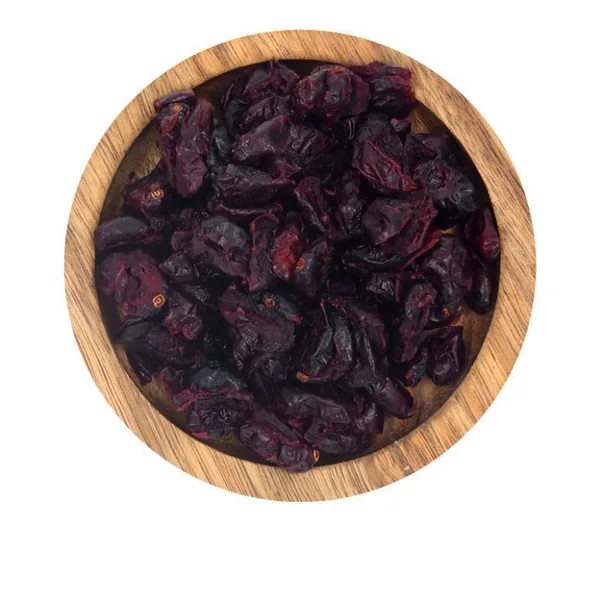
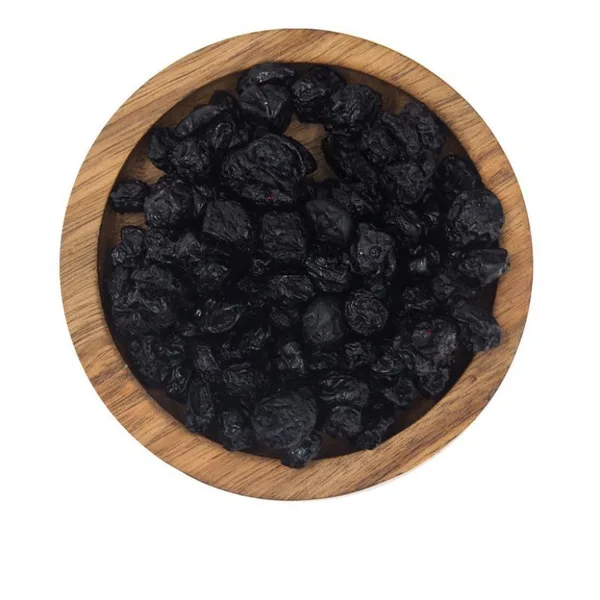
The range covers two worlds. On one side, the whole berries: whole cranberry and halved cranberry, whole blueberry, blackberry, goji berry. On the other, the larger dried fruit: N1 dried apricot, banana chips, ginger pieces and the fried Spanish figuette. Weights follow value and rotation: 5 kg for apricot and cranberries, 4 kg for blackberry and goji, 3 kg for banana chips.
Dried fruit may be treated with authorised additives, governed by Regulation (EC) No 1333/2008 on food additives. Each product sheet remains the source to consult before adding an item to a recipe or reselling it.
References and their dominant use
The table below matches each family to the place it most often occupies in the kitchen. Size decides use long before variety does.
| Reference | Format | Dominant use |
|---|---|---|
| N1 dried apricot | 5 kg pail | tart, platter, sale by weight |
| Whole cranberry | 5 kg pail | salad, granola, bowl decoration |
| Halved cranberry | 5 kg pail | pastry, cookie, muffin |
| Whole blueberry | 5 kg pail | breakfast, plated dessert |
| Blackberry | 4 kg pail | topping, cocoa pairing |
| Goji berry | 4 kg pail | bowl, salad, house blend |
| Banana chips | 3 kg pail | snacking, blends, crunchy decoration |
Why shape changes the yield
A whole fruit is not used at the same dosage as a cut one. On a decoration, three cranberries do what a spoonful of cubes would be needed to achieve visually. The cost per portion is therefore not the one read on the price per kilo.
- Decoration uses little: a few units per plate, which makes a pail last far longer than it would in incorporation.
- Garnishing uses a medium amount: a handful per bowl or salad, a regular dosage that is easy to standardise.
- Sale by weight uses a lot: that is where the 5 kg format makes sense, with weekly replenishment.
- Halved cranberry is the exception: cut but not reduced, it spreads through a dough better than the whole berry, which tends to rise during baking.
That scale has a direct consequence on ordering: a reference used only for decoration does not call for the same weight as one sold by weight, even if it appears on just as many plates.
Uses by trade
Here are the most frequent uses of the range, to be adjusted to each menu and season.
- Pastry chef: N1 apricot for tarts and cakes, halved cranberry for cookies and leavened doughs.
- Hotels and breakfast: whole blueberry and cranberry in bowls and on buffets, where the berry must stay identifiable.
- Caterer: goji and cranberry garnishing composed salads, bringing colour and acidity.
- Neighbourhood grocer: apricot and banana chips sold by weight, two references that sell without explanation.
- Snacking: banana chips and goji in house blends, with a crunch that holds for several days.
Storage, moisture and rotation
Whole dried fruit retains a higher residual moisture than cut, dehydrated fruit. That is what gives it its softness, but it also makes it more sensitive to heat and clumping. A pail kept in a warm store will see its fruit stick together, with the date playing no part: temperature acted, not time.
Banana chips are the exception in the other direction: a dry, crunchy product, it fears ambient humidity rather than heat, and loses its bite if the pail stays open. Two opposite logics within one range, which is reason enough not to shelve every pail in the same corner of the store.
We advise separating soft berries from crunchy products in the store room: they do not fear the same thing, and a single location always sacrifices one of the two.— The Palimex team
The other pail ranges
If you are looking for cut fruit rather than whole, the neighbouring range is the one:
- Dehydrated Fruit — cubes, slices and rings
- Blends
- Raisins
- Almonds, Nuts and Pastry