

Available products
15 references



Looking for a wholesale dried fruit supplier?
I'm Jessica, your dedicated wholesale account manager.
Direct sourcing — Rungis and Bordeaux.
- ✓Direct sourcing from producers
- ✓Quality controlled (shelf-life, calibre, origin)
- ✓Next-day delivery in Île-de-France
- ✓Bulk, custom packaging, co-packing
- ✓B2B account with pricing tiers
Shipping & pickup
Rungis pickup
Pick up your order at our Rungis market depot. By appointment Monday through Friday.
Nationwide delivery
Delivery within mainland France and major European cities. Indicative lead time 24-48h.
Careful packaging
Reinforced cardboard, anti-shock padding, traceability labels.
Frequently asked questions
About this category
Wissal: the pre-portioned brand, not the loose one
A pulse can reach an establishment in two ways. In a sack, it must be weighed, decanted, repacked if it is to be resold. As a pre-portioned unit, it arrives finished: the weight is done, the packaging is sealed, the label is in place. That second logic is what the Wissal brand carries, and it explains every one of its formats.
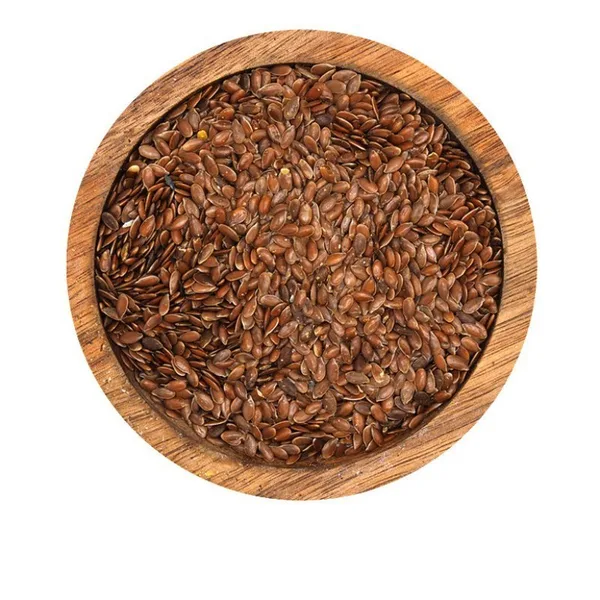
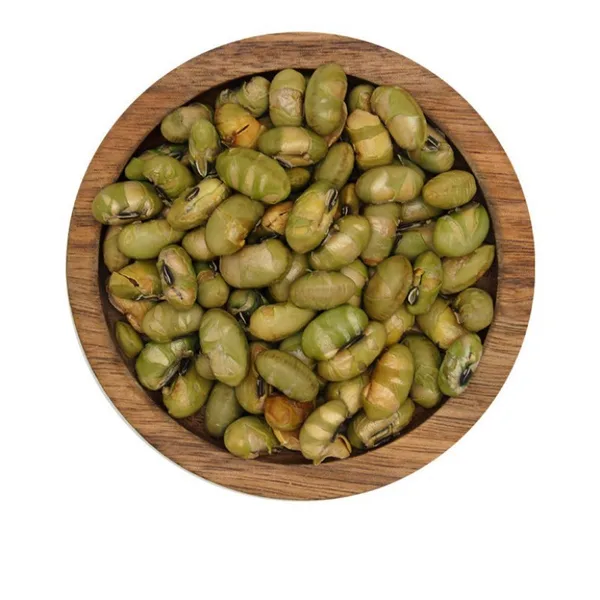
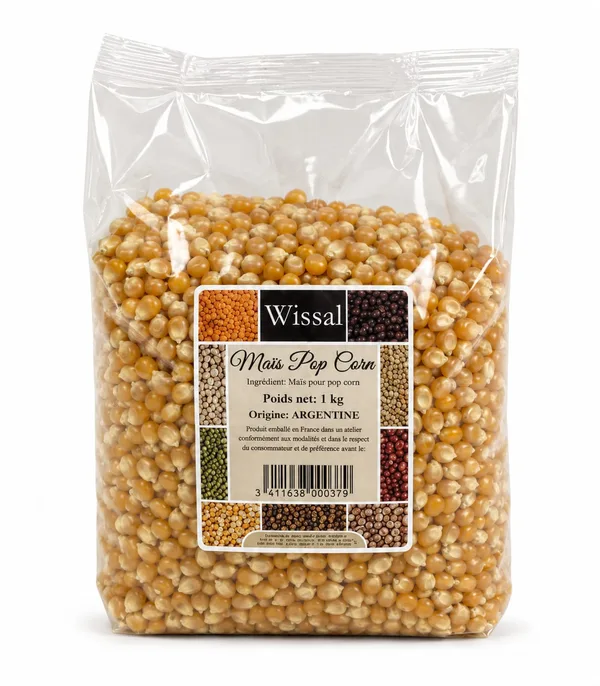
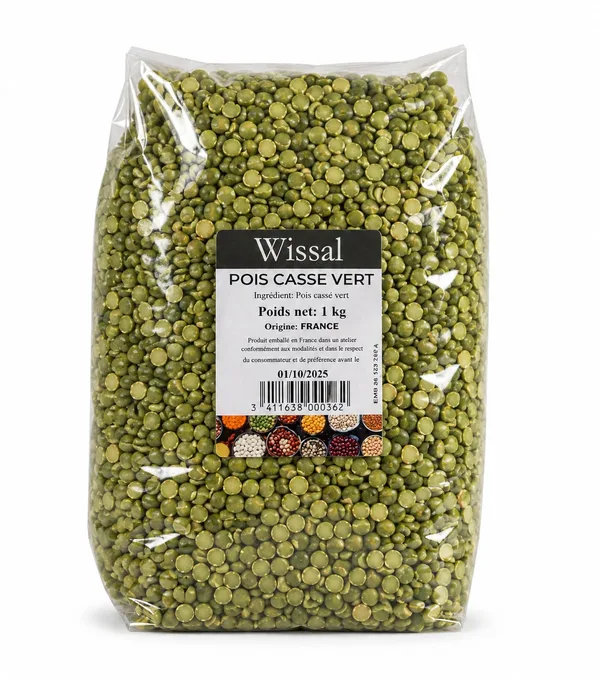
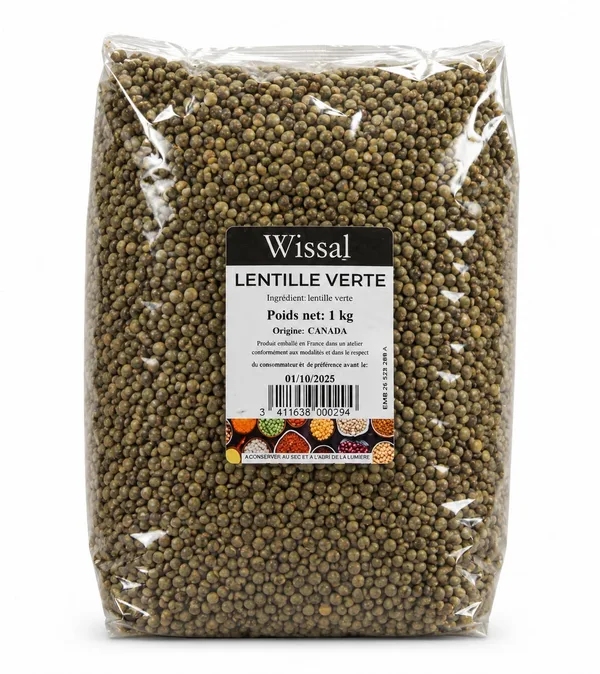
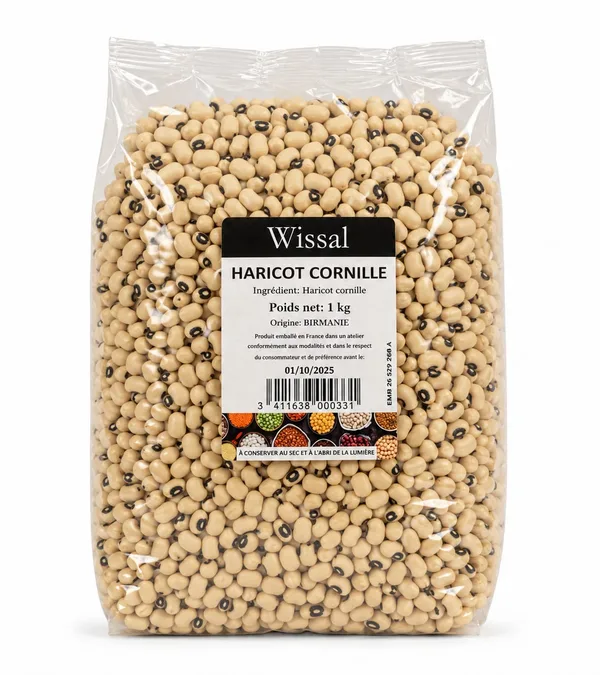
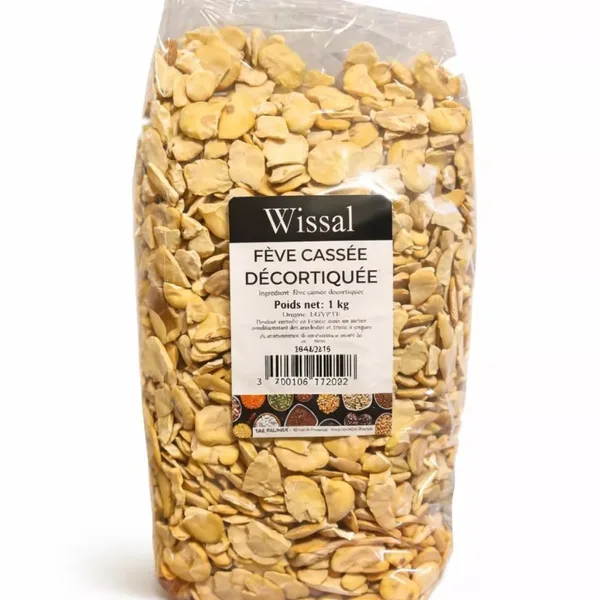
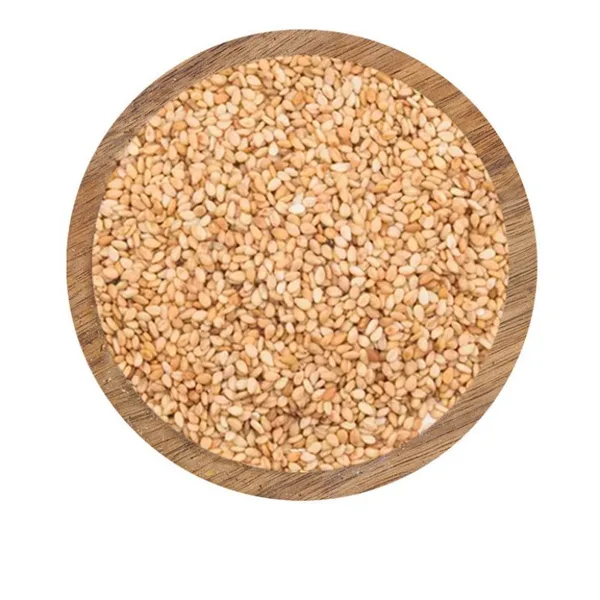
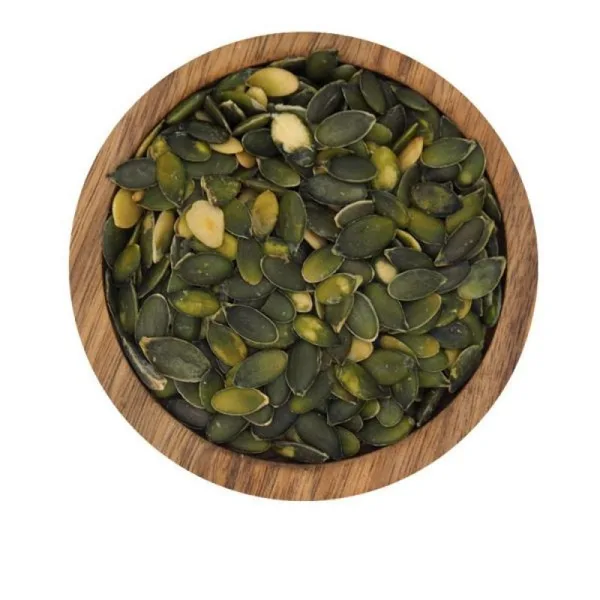
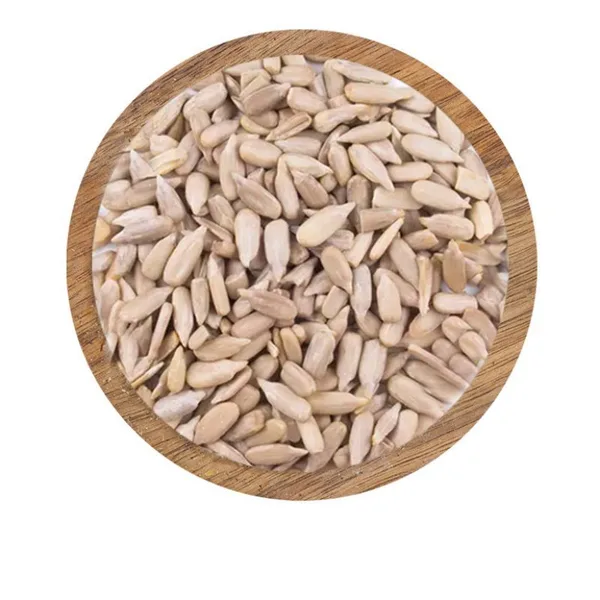
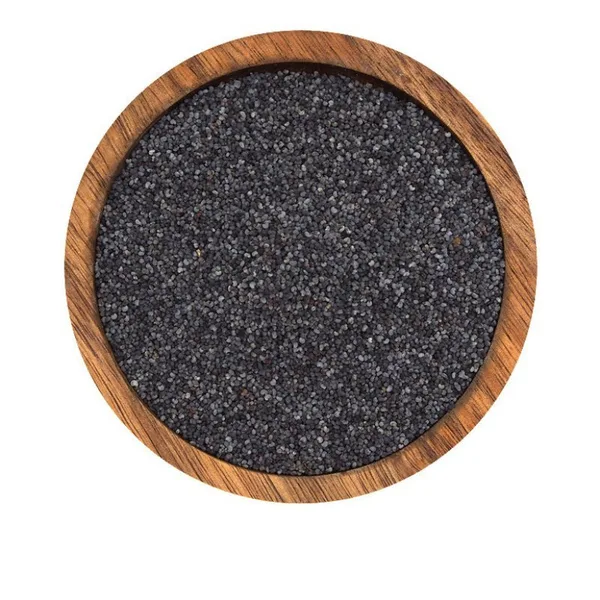
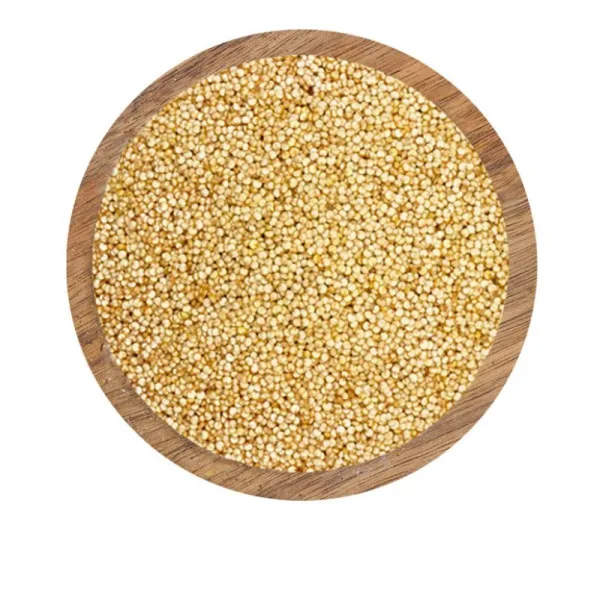
The range reads in cases of units. Pulses come in 10x1 kg and 12x1 kg: whole broad beans, split hulled broad beans, green lentils, red football lentils, green split peas, cowpeas, popcorn maize. Seeds drop lower in weight, where density and price per kilo demand it: 20x400 g for flax, hulled pumpkin, hulled sunflower, blue poppy and golden sesame, 24x500 g for quinoa, 40x250 g for chia.
The French framework for agricultural sectors and their quality schemes is presented on the site of the Ministry of Agriculture, a useful reference for situating pulse and oilseed production.
Two families, two weight bands
The table below shows why formats differ from one family to the next: the weight follows the use, not the habit. A lentil is consumed by the kilo, a chia seed by the spoonful.
| Family | References | Case format |
|---|---|---|
| Broad beans | whole, split hulled | 10x1 kg |
| Lentils | green, red football | 12x1 kg |
| Peas and beans | green split peas, cowpeas | 12x1 kg |
| Maize | popcorn | 12x1 kg |
| Oilseeds | flax, pumpkin, sunflower, poppy, sesame | 20x400 g |
| Pseudo-cereals and small seeds | quinoa, chia | 24x500 g, 40x250 g |
What the case of units changes
Format is not neutral: it moves the weighing work upstream, away from the shop. Here is what that means day to day.
- No scale in the loop: the unit reaches the shelf as it is, removing the weighing station and any tare discrepancy.
- Stocktaking counted in units: you recount packets, not kilos estimated at the bottom of a sack.
- Readable rotation: each unit carries its own date, where an open sack dilutes that information over weeks.
- Stock that splits: one case opens without committing the others, limiting exposure on a slow-moving reference.
- Simpler handling: cases stack and are carried two-handed, with no lifting equipment.
There is a flip side worth stating: at equal volume, a pre-portioned unit costs more than a sack. The calculation therefore has to cover the whole chain, weighing, repacking and losses included, rather than the purchase price per kilo alone.
Uses by trade
The two families do not address quite the same stations. Here is the most common split, to be adjusted to each menu and assortment.
- Neighbourhood grocer: units of 400 g to 1 kg feed the dry grocery shelf directly, with no repacking or in-house labelling.
- Hospitality professional: lentils, split peas and cowpeas for soups, dals and dishes of the day, where the kilo is the recipe unit.
- Baker: flax, golden sesame, blue poppy and hulled pumpkin for bread toppings and seeded doughs.
- Caterer and world cuisine: whole and split hulled broad beans for Mediterranean and North African preparations.
- Snacking and bar: popcorn maize, whose 1 kg unit matches a run of services.
Storage and rotation
Pulses and seeds keep in a dry store, away from damp and heat, within the date shown on each unit. Oilseeds are the most sensitive: rich in fat, they cope badly with warm stores and dormant stock. That is precisely why their weight drops to 250 or 400 g.
An opened case is managed as a batch: write the opening date on the flap, take units out in order, and never mix two deliveries in the same slot. In a grocery tracking twenty dry references, that shelving discipline is what shows at stocktaking.
We advise choosing the weight on rotation speed, not on price per kilo: a 400 g unit sold within a week costs less than a kilo going stale in the store room.— The Palimex team
Ordering from a B2B wholesaler
Pulses and seeds order together, by carton or pallet, and can be grouped with the other house brands on a single delivery. The site is reserved for professionals holding a company registration number, with a wholesale minimum.
- Meyva — dried fruit, blends and aperitif in pails and bags
- Safaa — table olives in pails and small formats
- All our brands