

Available products
430 references · page 1 / 18
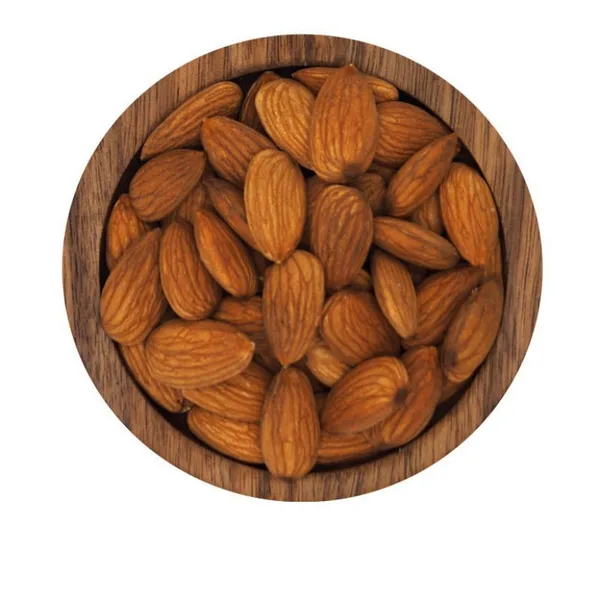
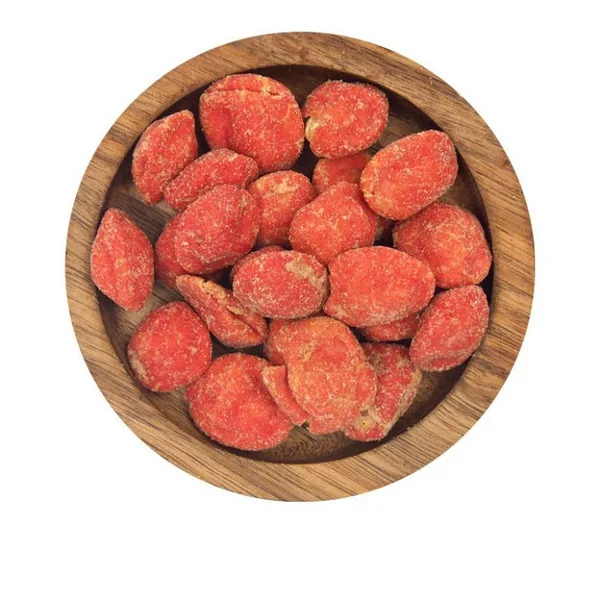
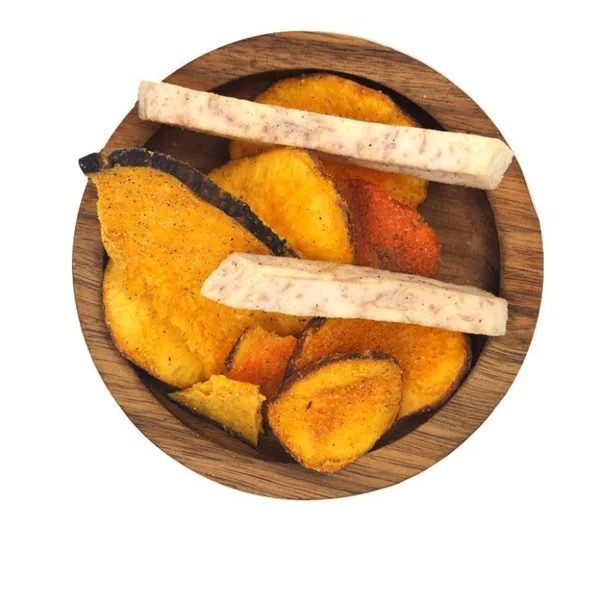
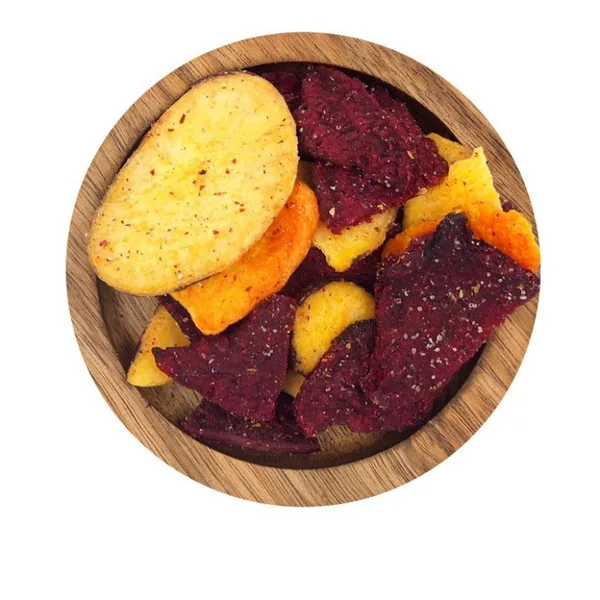
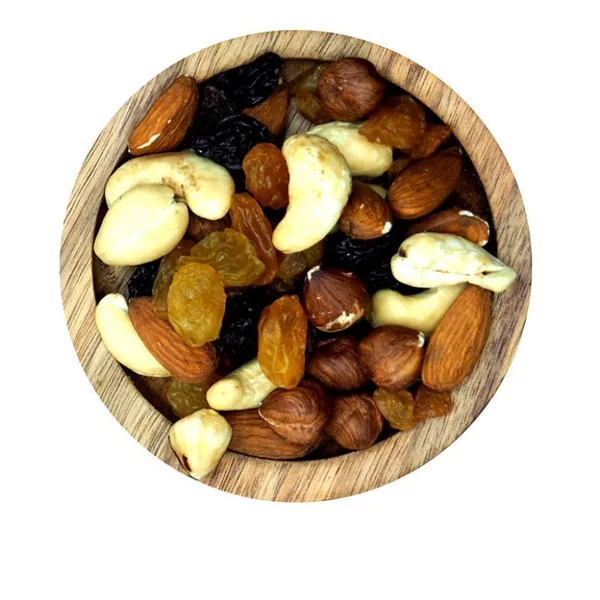
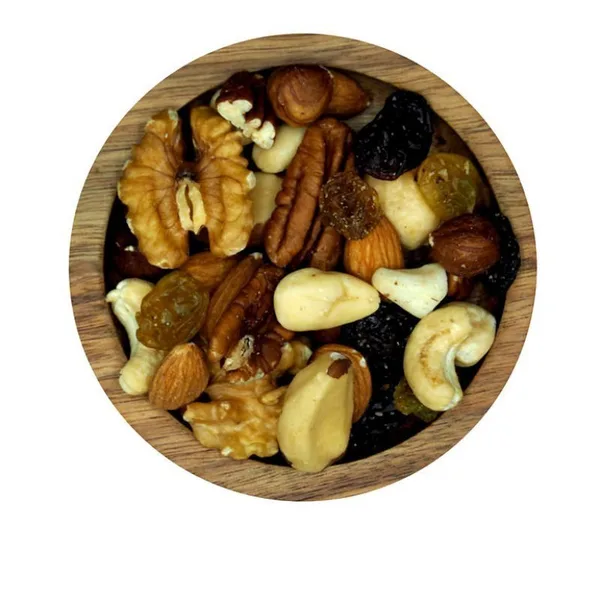
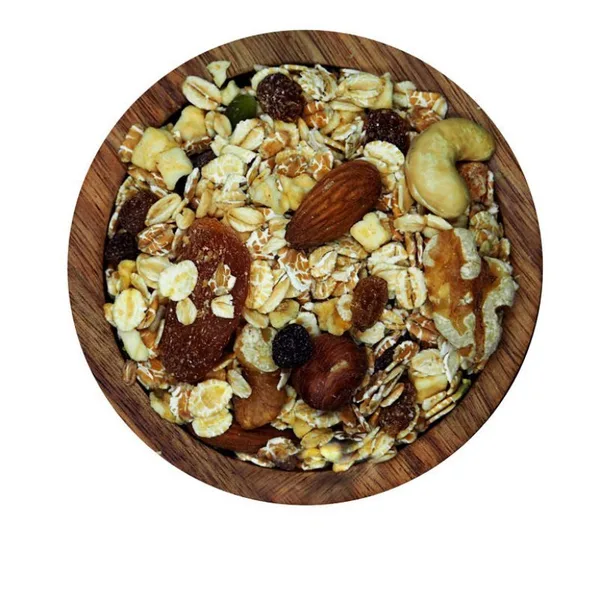
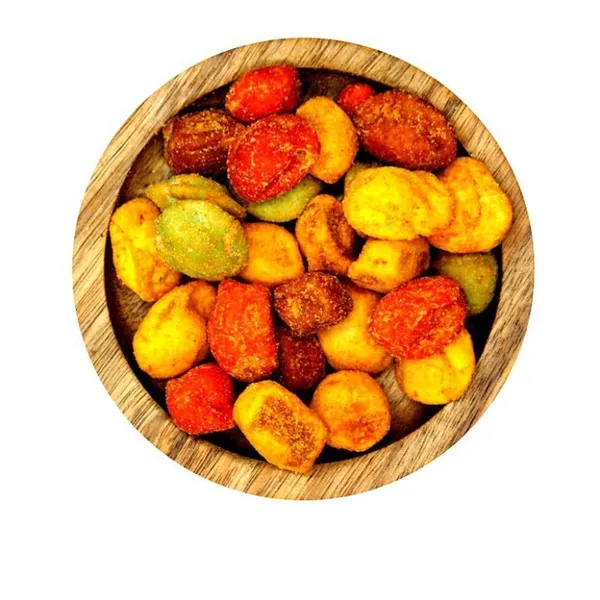

Looking for a wholesale dried fruit supplier?
I'm Jessica, your dedicated wholesale account manager.
Direct sourcing — Rungis and Bordeaux.
- ✓Direct sourcing from producers
- ✓Quality controlled (shelf-life, calibre, origin)
- ✓Next-day delivery in Île-de-France
- ✓Bulk, custom packaging, co-packing
- ✓B2B account with pricing tiers
Shipping & pickup
Rungis pickup
Pick up your order at our Rungis market depot. By appointment Monday through Friday.
Nationwide delivery
Delivery within mainland France and major European cities. Indicative lead time 24-48h.
Careful packaging
Reinforced cardboard, anti-shock padding, traceability labels.
Frequently asked questions
About this category
One brand, six formats: how to read the range
Most dried fruit catalogues are organised by product: almonds here, apricots there. The Meyva brand reads by format first, because format is what decides which trade is concerned. A pastry chef who incorporates and a grocer who resells are not buying the same thing, even when the fruit is identical.
Six families make up the brand. The Meyva pails carry the widest offer — raisins, almonds and nuts, dried fruit, dehydrated fruit, blends, aperitif, granola, premium — in a rigid container closed again after every scoop. The 200 g ready-to-sell bags target the shelf, the 50 g bags snacking and the till, the 1 kg bags the kitchen that wants pre-portioned goods without committing to a pail. The premium jars address the table and corporate gifting.
The legal foundation of food traceability in Europe is Regulation (EC) No 178/2002, which sets the obligation to track a product at every stage of the chain: a structuring requirement for a buyer working under a single brand.
The format table
The table below sets each format against the channel it matches. Weight is not a preference, it is a consequence of the route the product takes.
| Format | Target channel | What it allows |
|---|---|---|
| Pail (up to 5 kg) | kitchen, bar, loose-goods aisle | scoop, close, put back in the store |
| 1 kg bag | kitchen, small production | pre-portioned without committing a whole pail |
| 200 g ready-to-sell bag | grocery shelf | reaching the shelf with no repacking |
| 50 g bag | till, snacking, distribution | impulse purchase and single portion |
| Premium jar | table, fine grocery, gifting | a presentation that stands as it is |
| Olive pail | bar, sandwich bar, savoury loose | the savoury offer beside the sweet |
Choosing a format by channel
The useful question is not "which product" but "who opens the packaging". If it is a cook, the pail or the 1 kg bag follow. If it is the end customer, the format must already be sellable.
- The product is transformed: folded into a dough, a salad, a dish — the pail, because it is scooped throughout service.
- The product is resold as it is: 200 g ready-to-sell bag or premium jar, where label and weight are already done.
- The product is given by the unit: 50 g bag for the till, the meal tray, the seminar or the hotel room.
- The product supplies a loose-goods aisle: the pail, easy to recount and closed again between replenishments.
- The product supports a savoury menu: olive pails, which follow the same scooping logic as the sweet ones.
What a single brand changes
Running several formats under one brand is not only an image question. It simplifies the store room first: same codes, same labels, same place for the information on every container. Staff coming on shift read all containers the same way, whichever aisle they serve.
Then it brings commercial consistency. An establishment selling the same apricot in a 200 g bag on the shelf and serving it in the kitchen knows it is talking about the same product. That continuity between back of house and sales is hard to achieve with an assortment split across five suppliers.
We advise settling the format before the product: it is the question that structures the order, and the one that prevents buying a pail where a bag was needed.— The Palimex team
Storage and rotation by format
Each format imposes its own discipline. The pail is managed as a batch: opening date on the lid, first in first out, dry store away from light. Bags and jars are managed by the unit: each carries its own date, which makes rotation readable on the shelf but calls for watching the back of the display.
One rule cuts across all of them: dried fruit and nuts like neither damp nor heat. A very warm store ages the fats in almonds and walnuts long before the date printed on the pack, whatever the container.
The formats of the brand
Browse each family to build your order:
- Meyva Pails — raisins, almonds and nuts, dried fruit, blends, aperitif
- 1 kg bag — pre-portioned for the kitchen
- 200 g ready-to-sell bag — the shelf format
- 50 g bag — snacking and single portion
- Premium jars — table, fine grocery and gifting