

Available products
31 references · page 1 / 2


Looking for a wholesale dried fruit supplier?
I'm Jessica, your dedicated wholesale account manager.
Direct sourcing — Rungis and Bordeaux.
- ✓Direct sourcing from producers
- ✓Quality controlled (shelf-life, calibre, origin)
- ✓Next-day delivery in Île-de-France
- ✓Bulk, custom packaging, co-packing
- ✓B2B account with pricing tiers
Shipping & pickup
Rungis pickup
Pick up your order at our Rungis market depot. By appointment Monday through Friday.
Nationwide delivery
Delivery within mainland France and major European cities. Indicative lead time 24-48h.
Careful packaging
Reinforced cardboard, anti-shock padding, traceability labels.
Frequently asked questions
About this category
The cut decides the use
Two professionals can buy dehydrated pineapple for entirely different reasons. The first wants cubes that vanish into a cake and release their flavour in baking. The second wants slices that sit on a plating and are recognised at a glance. Same fruit, same process, and yet two distinct products. This range is therefore organised by cut first.
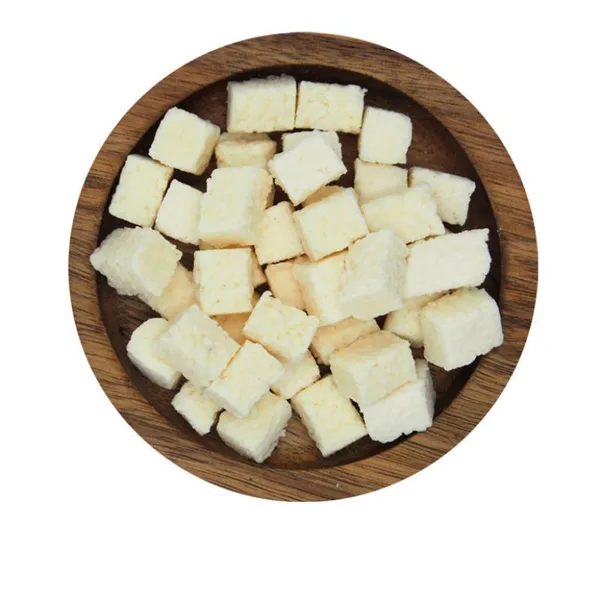
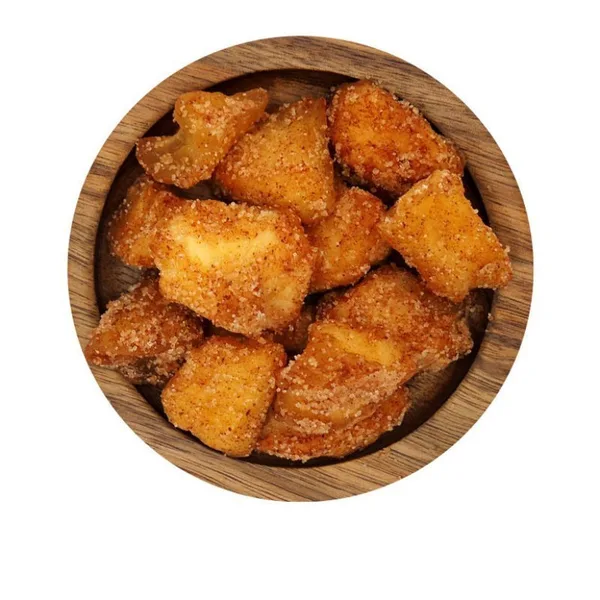
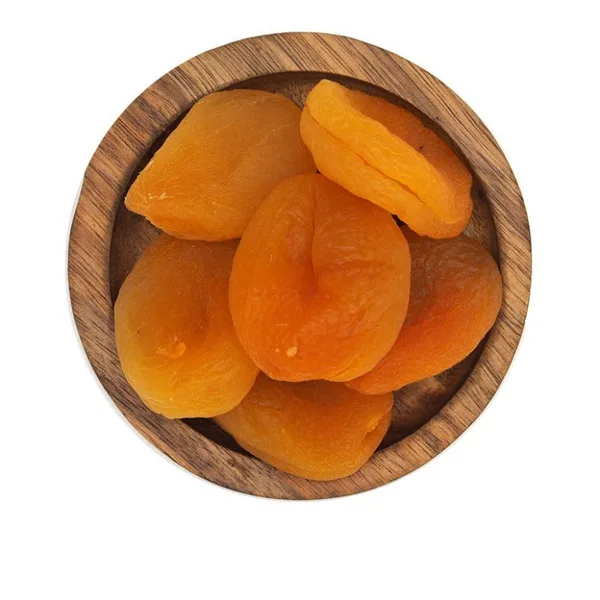
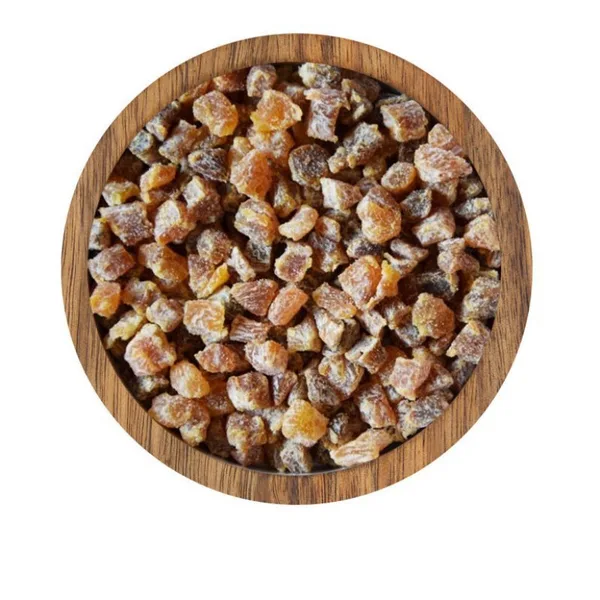
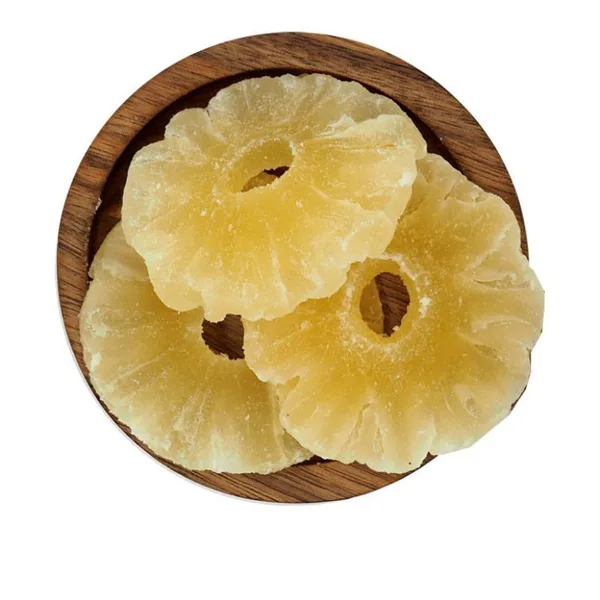
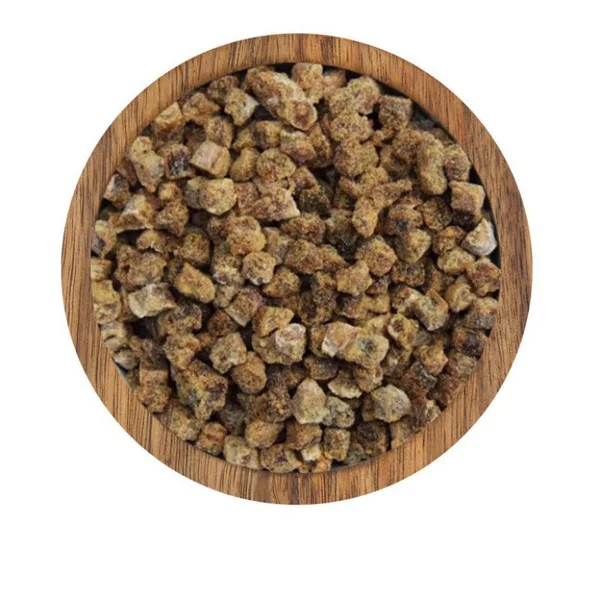
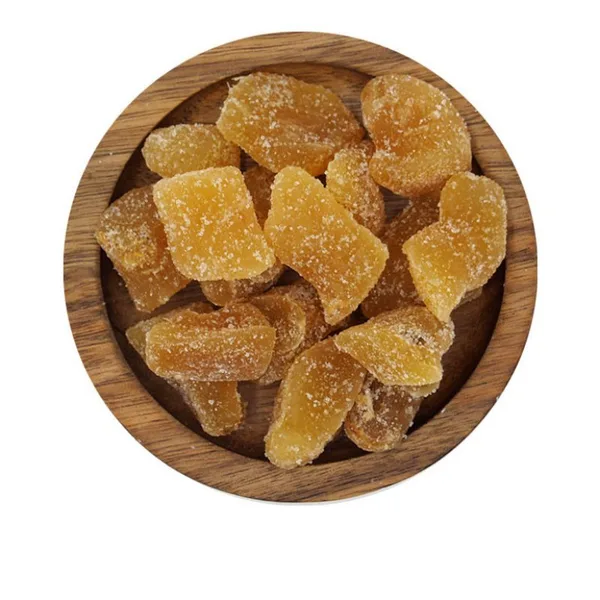
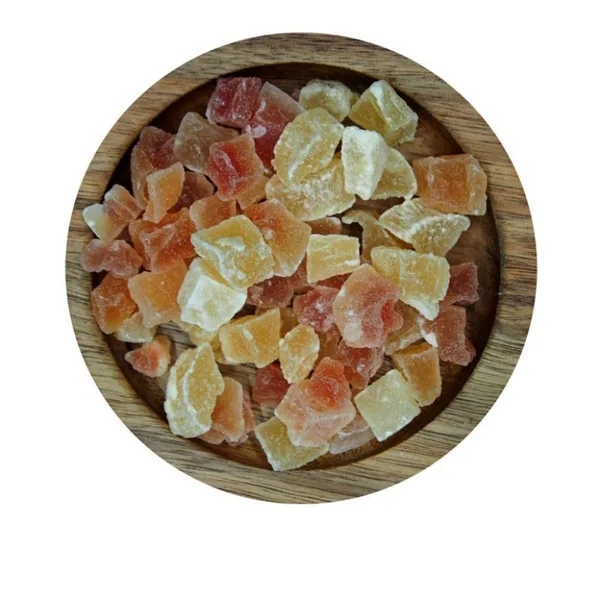
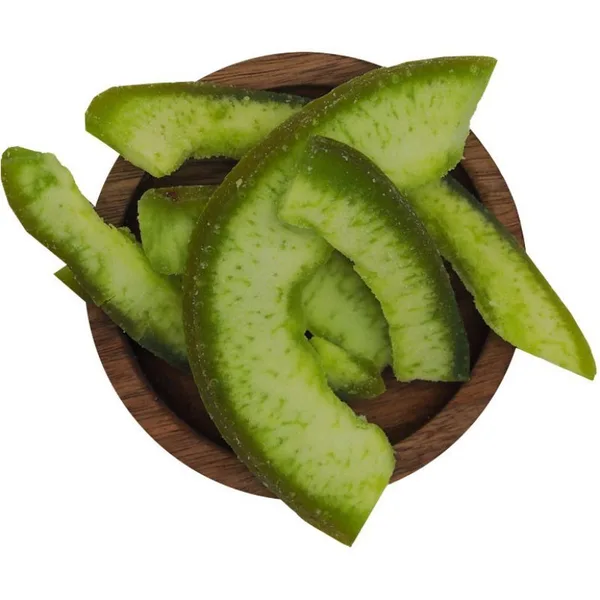
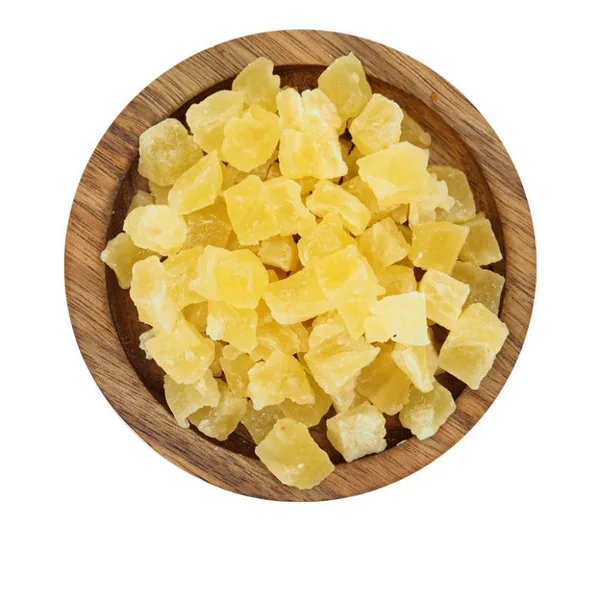
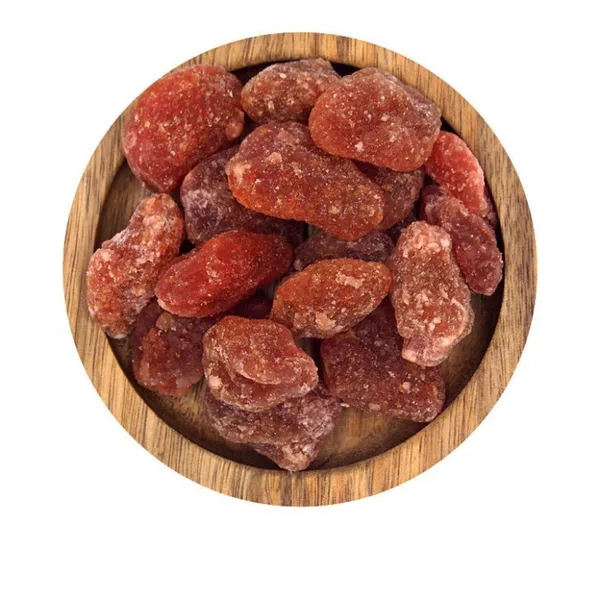
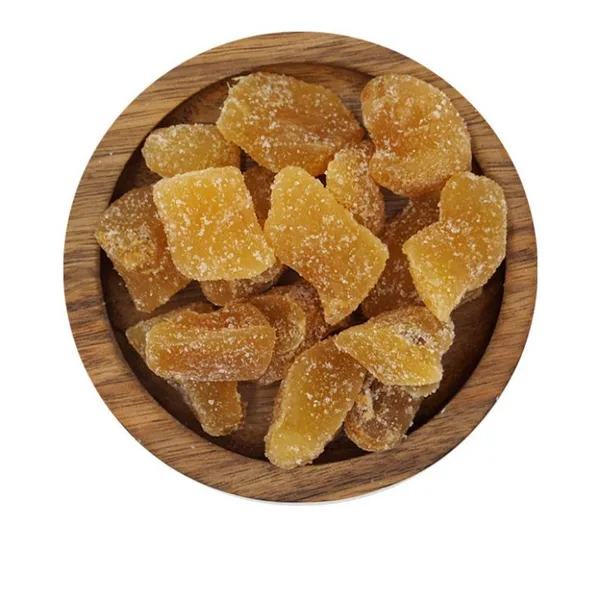
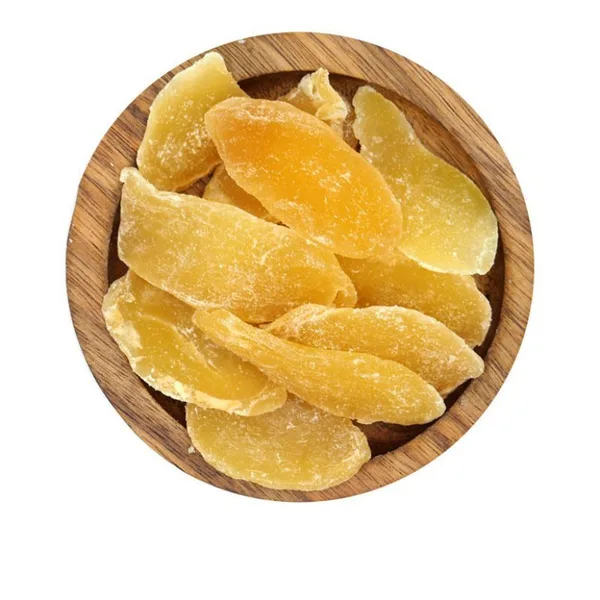
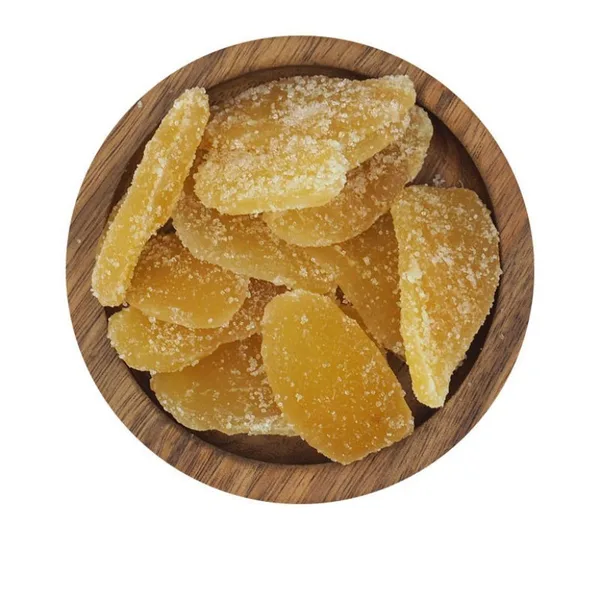
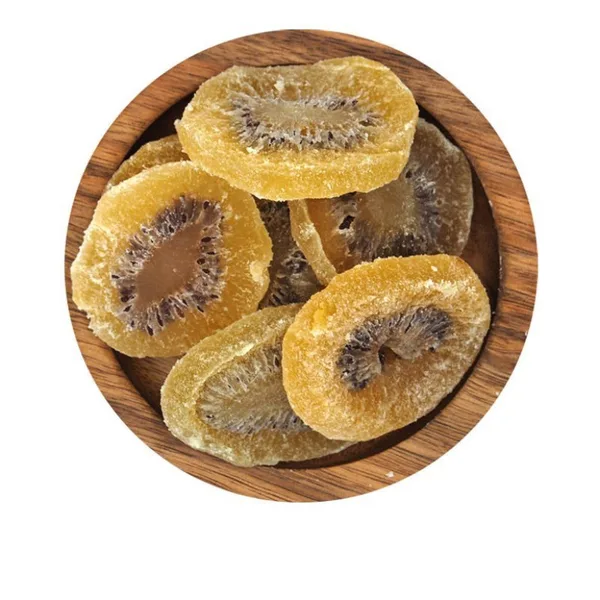
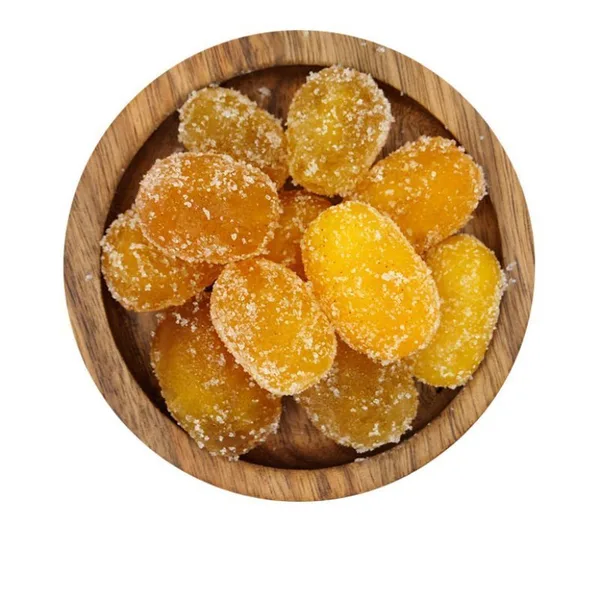
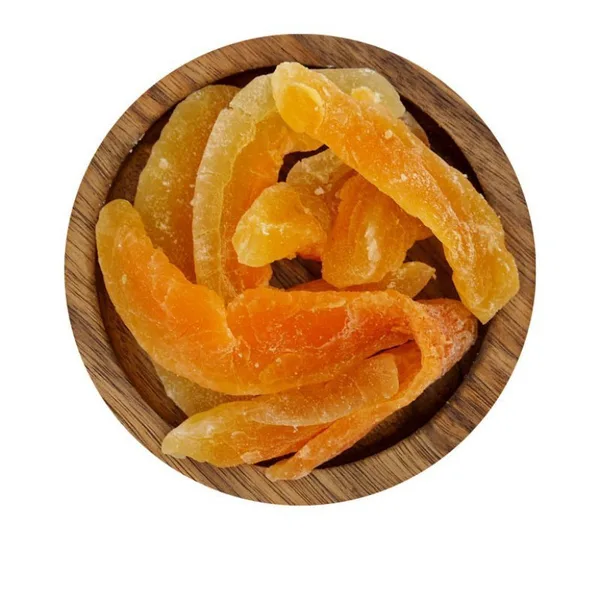
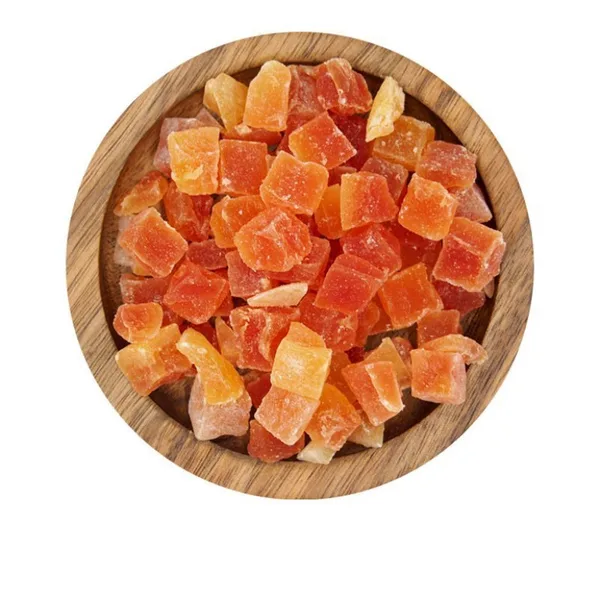
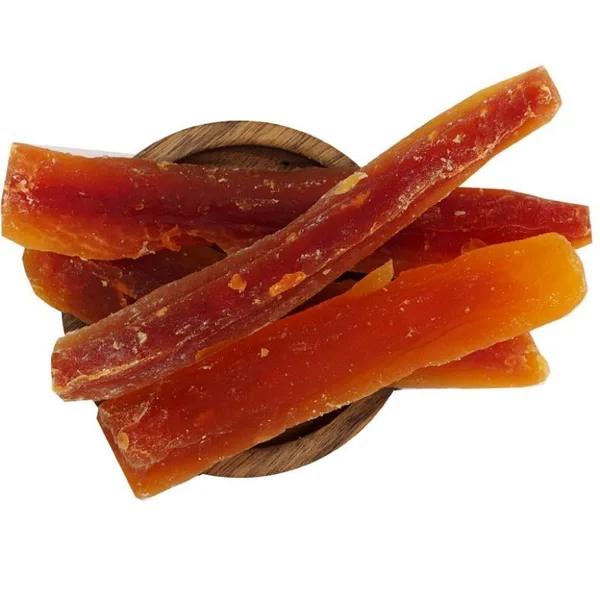
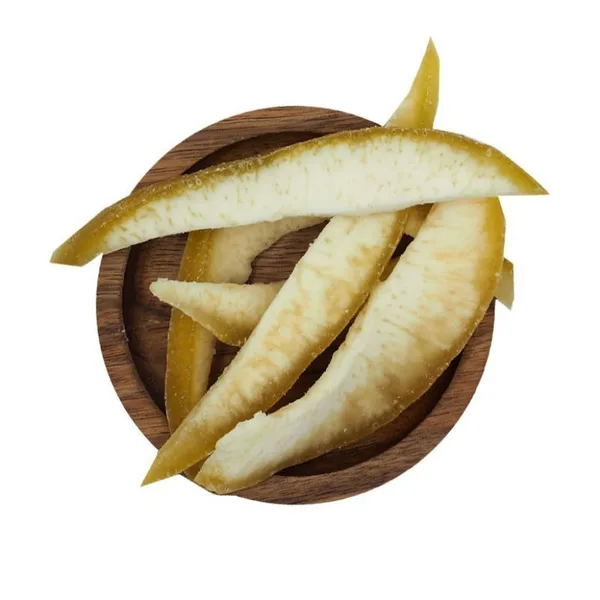
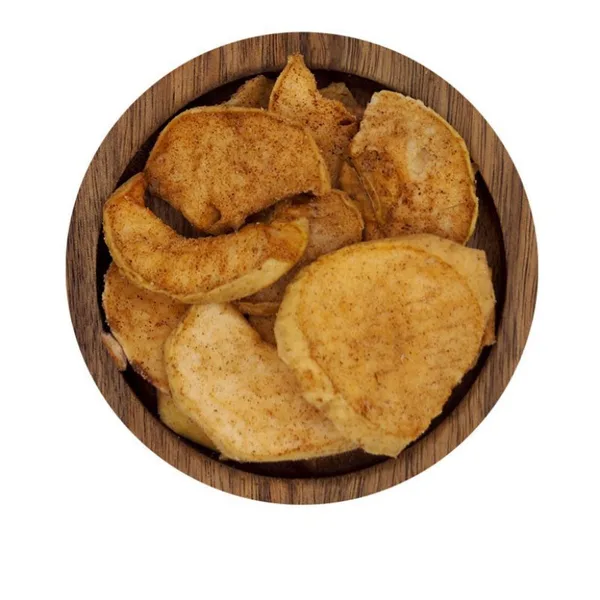
Three shapes recur. The cube — pineapple, red papaya, apricot, fig, ginger, soft coconut — is measured by volume and spreads through a mass. The strip — mango, papaya, pineapple, ginger — keeps its length and stays identifiable as a garnish. The slice or ring — pineapple, kiwi, apple, pear, peach, pomelo, kumquat, hibiscus — is served whole on a plate or in an infusion. Beside those three sit references of their own: dehydrated strawberry, cantaloupe melon, natural dried cherry from Chile, cinnamon apple crisps.
Dehydrated fruit owes its stability to reduced water content; the microbiological criteria applicable to foodstuffs are set by Regulation (EC) No 2073/2005, a useful reference for any establishment writing its food safety plan.
Three cuts, three gestures
The table below links each cut to what it allows in the kitchen. Choosing the wrong cut costs more than choosing the wrong fruit: it forces re-cutting, and therefore loss of material.
| Cut | Available fruit | What it allows |
|---|---|---|
| Cube | pineapple, red papaya, apricot, fig, ginger, soft coconut | measuring by volume, spreading through a dough |
| Strip | mango, papaya, pineapple, ginger | garnishing while staying identifiable |
| Slice and ring | pineapple, kiwi, apple, pear, peach, pomelo, kumquat | serving as is, plating, infusing |
| Crisps | cinnamon apple | bringing dry crunch |
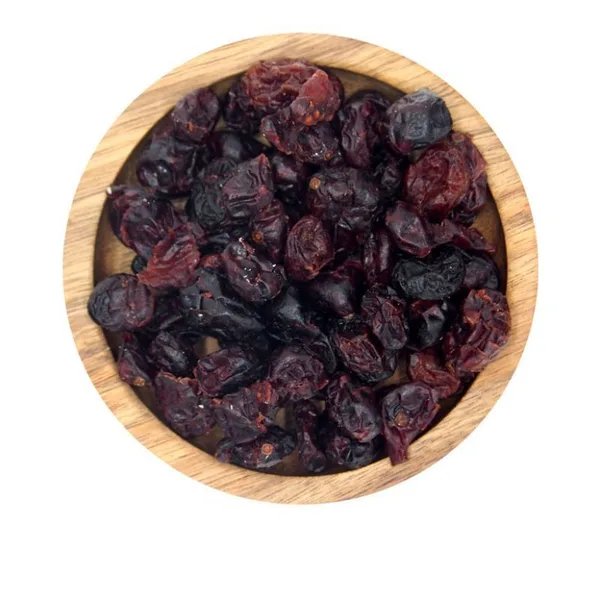
| Whole or small piece | strawberry, hibiscus, Chilean cherry | decorating with no further cutting |
The fruit in the range
Beyond the cut, the range reads by flavour family. Here are the main groups available:
- The exotics: pineapple, mango, papaya, soft coconut, kiwi — the heart of the range, with the widest choice of cuts.
- Orchard fruit: apple plain or with cinnamon, pear, peach — gentle profiles that suit classic pastry.
- Citrus and bitters: pomelo, grapefruit, kumquat — for infusion, plating and contrast.
- The sharp ones: ginger in cubes, strips or icing sugar, hibiscus — to bring heat or acidity.
- Red fruit: dehydrated strawberry, Chilean dried cherry, cantaloupe melon — for platings and breakfasts.
Uses by trade
Here are the most common uses, to be adjusted to each menu and season.
- Pastry chef: cubes for cakes and leavened doughs, where an even cut ensures constant dosing.
- Head chef: mango and ginger strips for sweet-and-savoury dishes and Asian cooking.
- Bartender and tea room: citrus rings and hibiscus for infusions and glass decoration.
- Caterer: pineapple and kiwi slices on platings, where the shape does the visual work.
- Neighbourhood grocer: the pineapple and papaya mix and mango strips sold by weight, two shelf staples.
Sugar, moisture and storage
Some references in this range have added sugar — the product sheet states it item by item, and that is the information to check before any resale or menu listing. Sugar affects texture as much as taste: it keeps a certain suppleness in the strip and limits hardening in the cube.
On storage, these fruits are more stable than whole soft fruit because they are drier, but they remain sensitive to ambient humidity. A pail closed after every scoop keeps the pieces separate; left open, the product takes up moisture from the room and the pieces clump into blocks that are hard to measure.
One simple rule helps day to day: small containers for the varieties you rarely use, large pails for the daily references. Each pail then stays open for less time and the goods leave the store room before they can take up moisture. And when the same fruit is stocked in several cuts, label the pails with the cut and not only with the name of the fruit.
We advise choosing the cut before the fruit: it decides whether a knife will still be needed at the station, and the knife is the most expensive thing in a kitchen.— The Palimex team
The other pail ranges
If you are looking for whole fruit rather than cut, the neighbouring range is the one:
- Dried Fruit — whole apricot, berries, banana chips
- Blends
- Raisins
- Almonds, Nuts and Pastry