

Available products
71 references · page 1 / 3
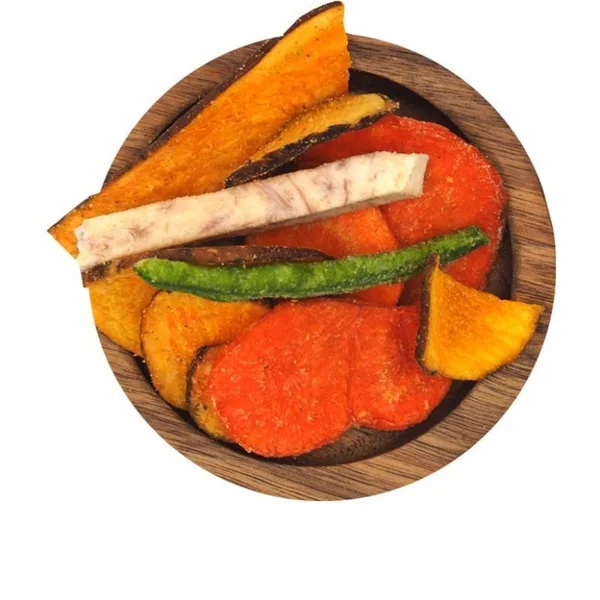
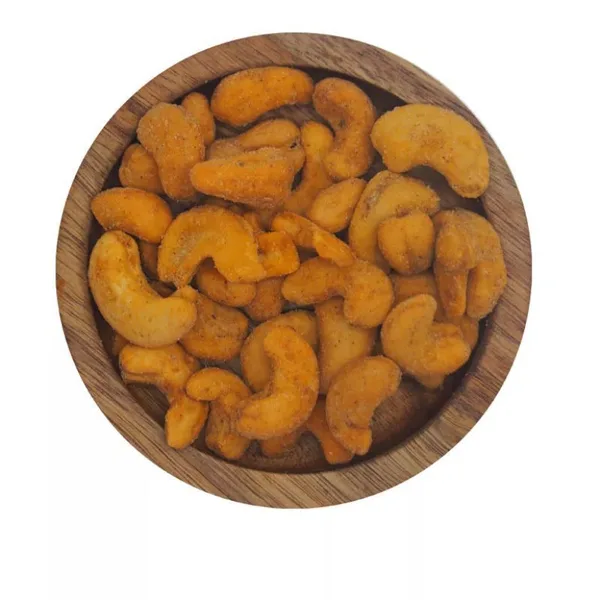
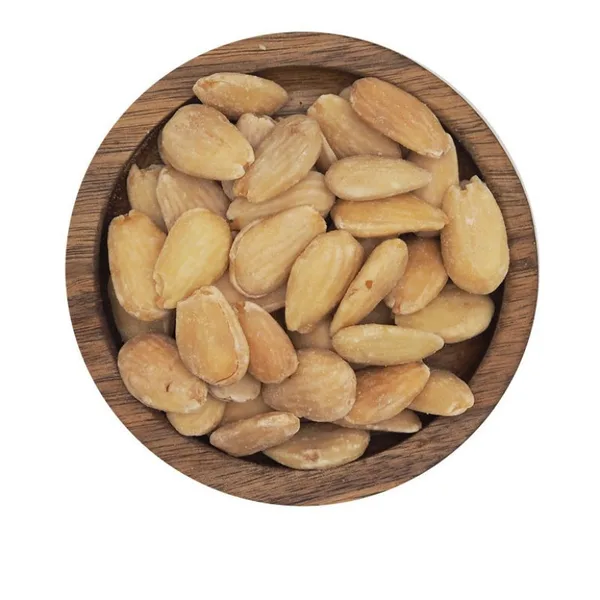
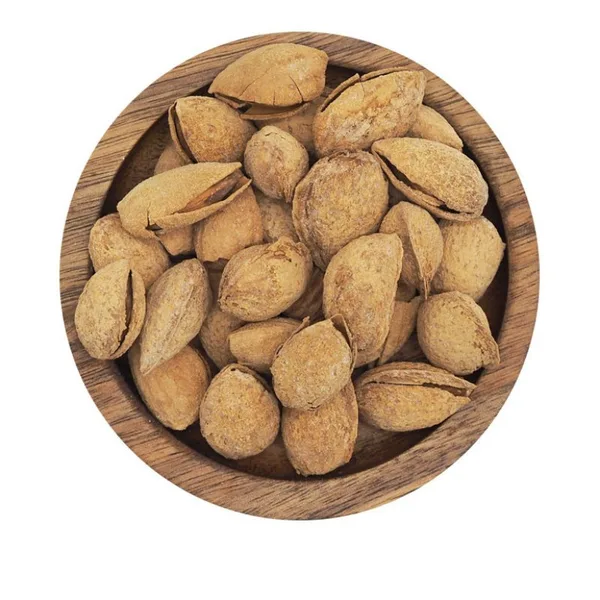

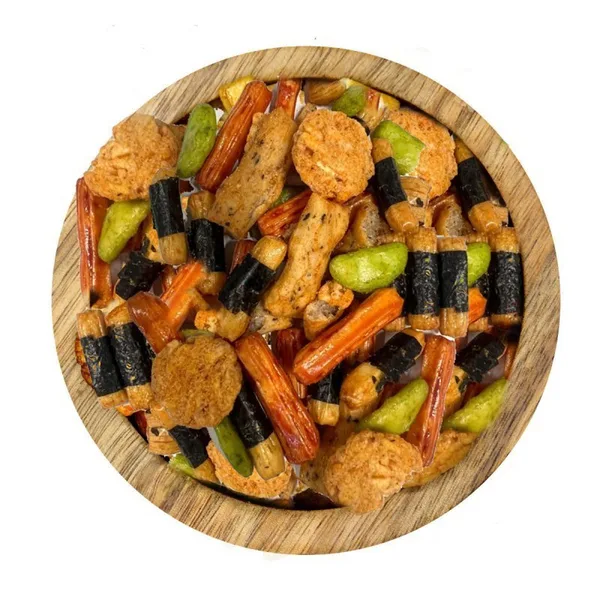

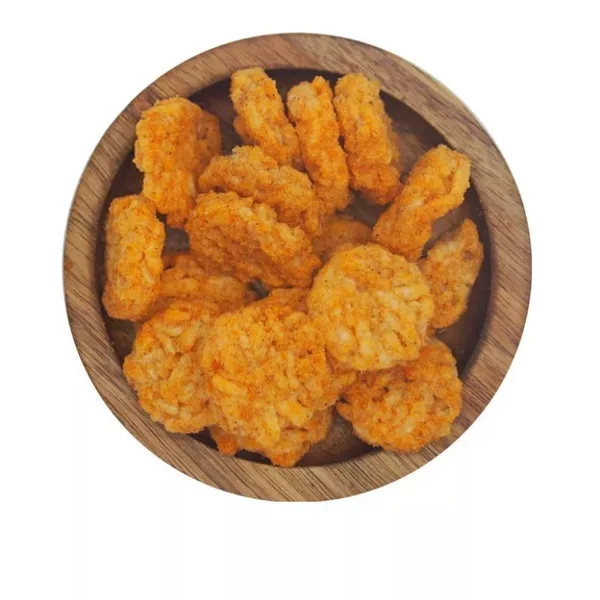

Looking for a wholesale dried fruit supplier?
I'm Jessica, your dedicated wholesale account manager.
Direct sourcing — Rungis and Bordeaux.
- ✓Direct sourcing from producers
- ✓Quality controlled (shelf-life, calibre, origin)
- ✓Next-day delivery in Île-de-France
- ✓Bulk, custom packaging, co-packing
- ✓B2B account with pricing tiers
Shipping & pickup
Rungis pickup
Pick up your order at our Rungis market depot. By appointment Monday through Friday.
Nationwide delivery
Delivery within mainland France and major European cities. Indicative lead time 24-48h.
Careful packaging
Reinforced cardboard, anti-shock padding, traceability labels.
Frequently asked questions
About this category
An aperitif is built on contrast, not on accumulation
A bar offering eight references of salted nuts does not have eight propositions: it has one, repeated eight times. What holds an aperitif offer together is contrast — between textures, between levels of seasoning, between the nut and the puffed vegetable. This page gathers the families that make that contrast possible without multiplying suppliers.
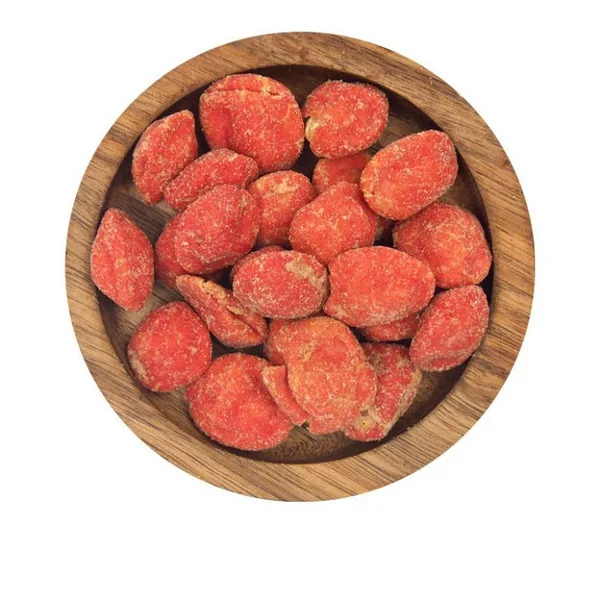
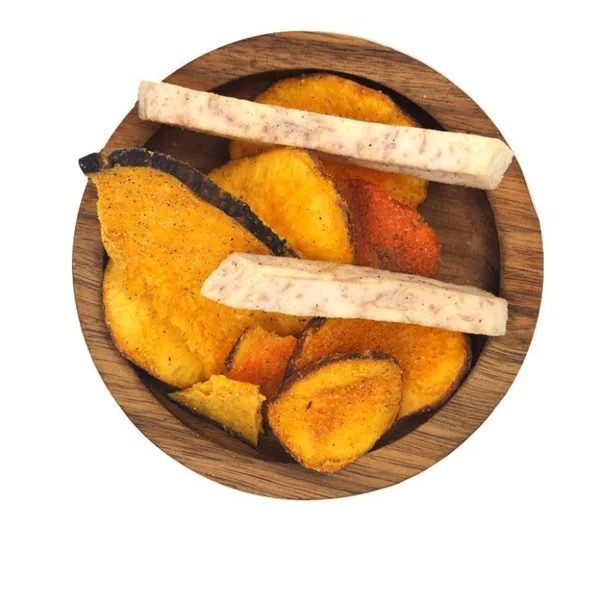
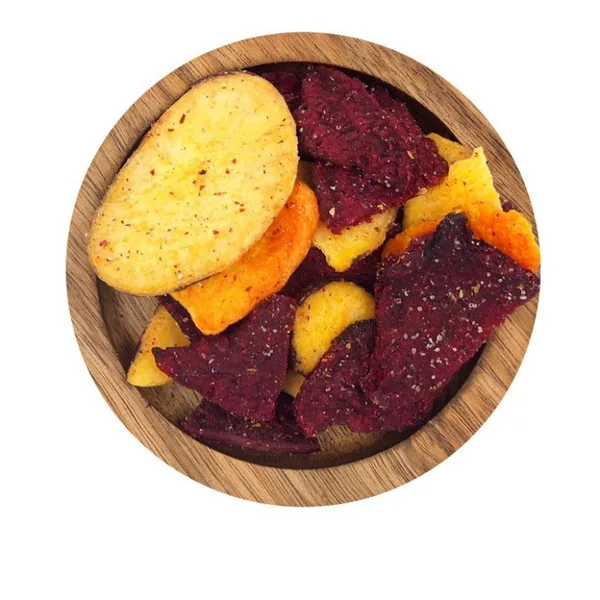
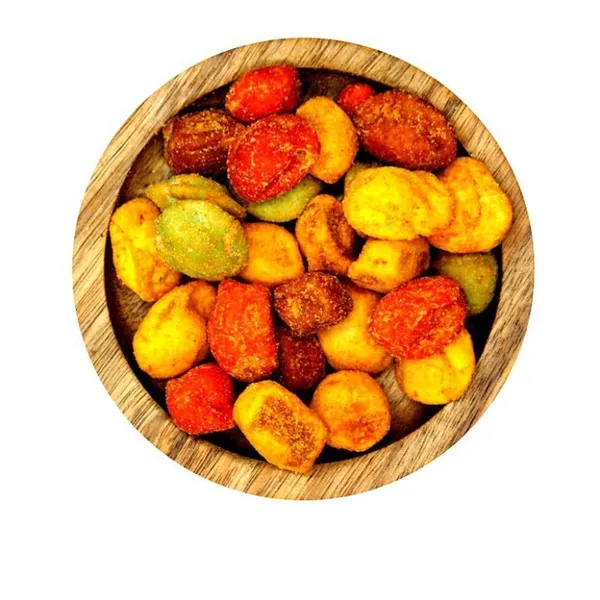
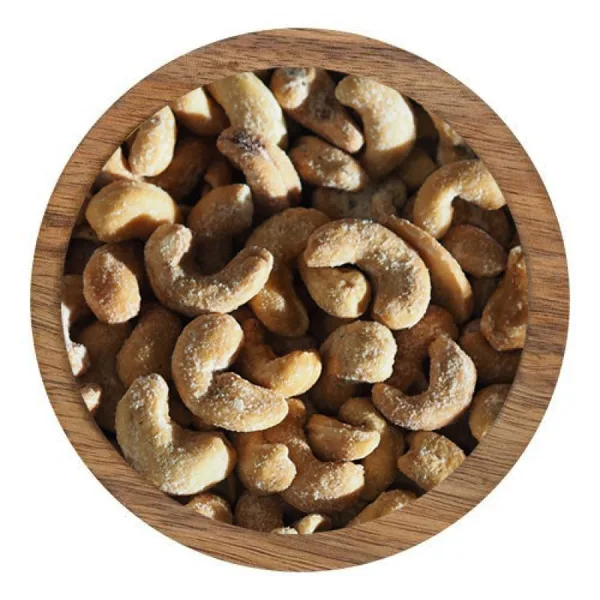
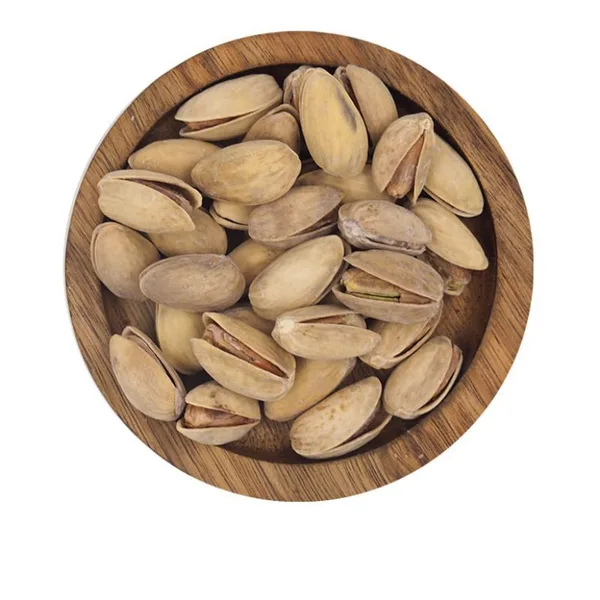
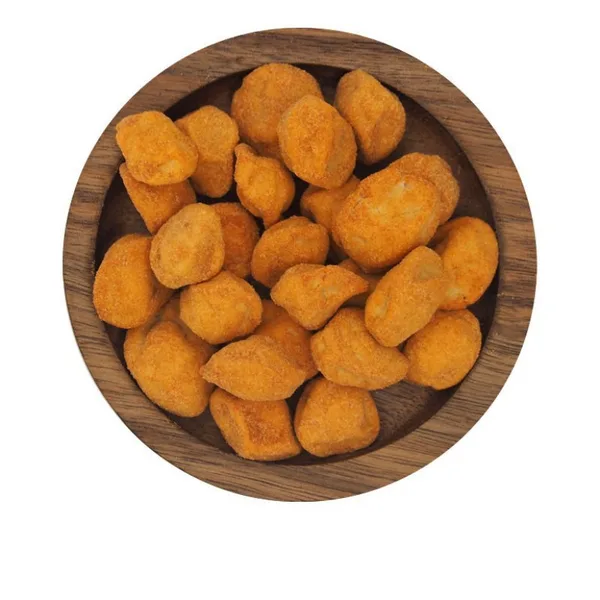
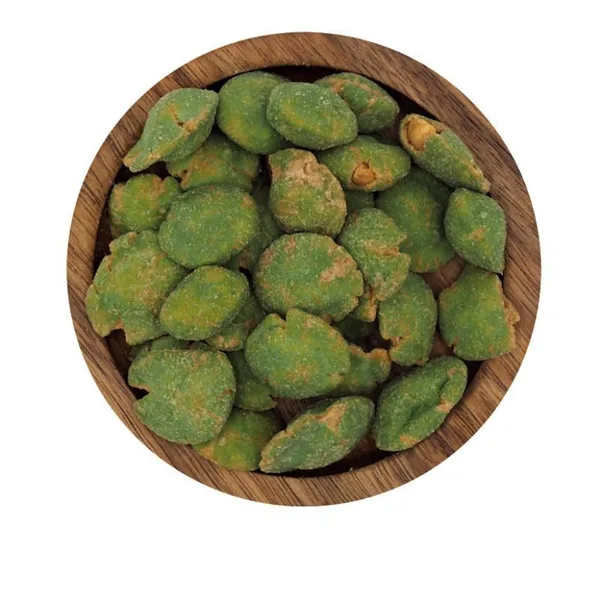
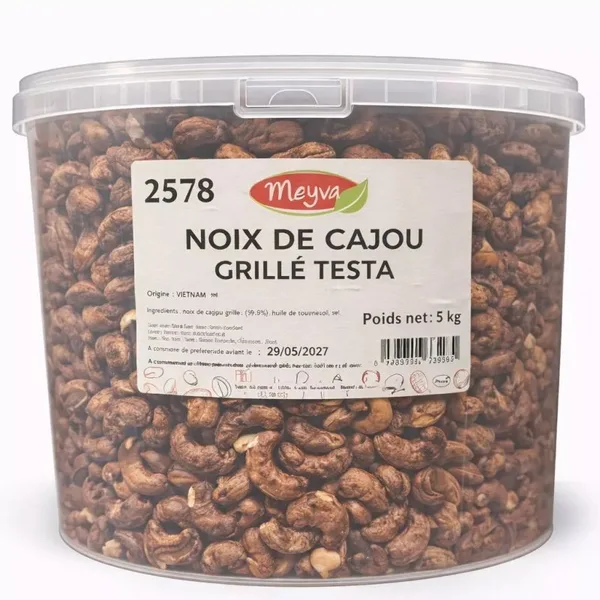
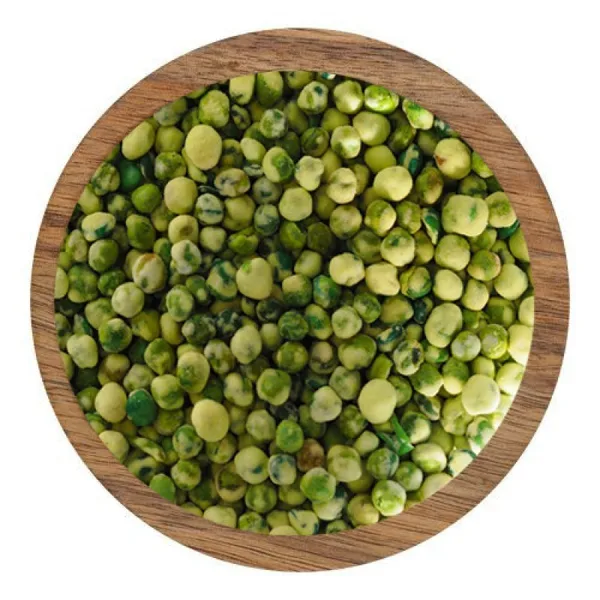
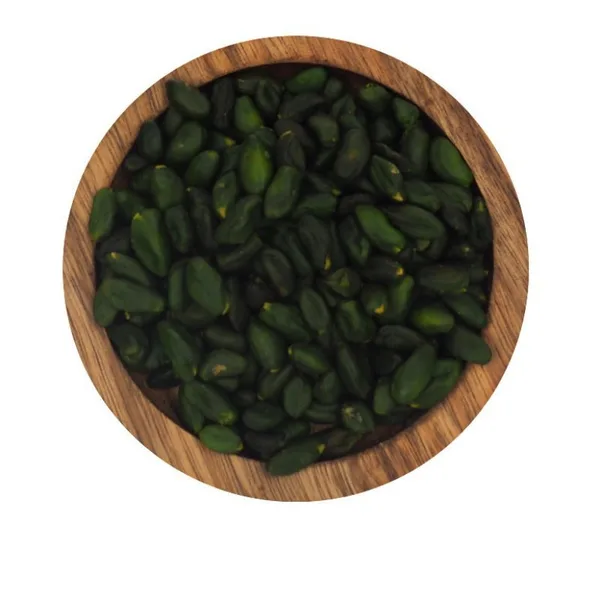
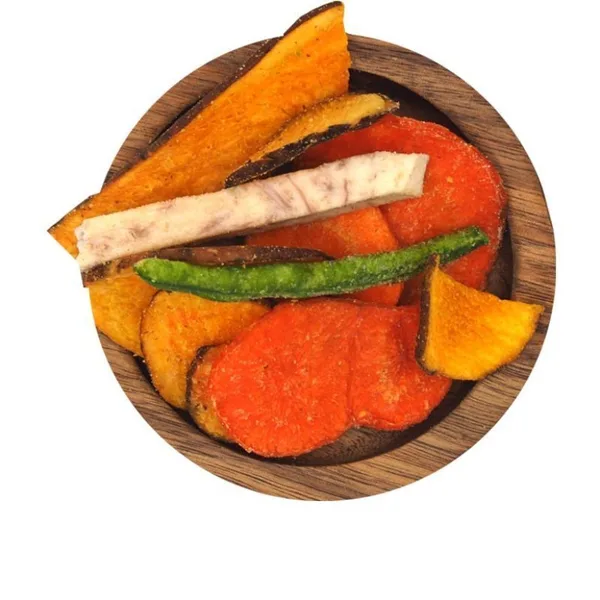
Four building blocks make up the assortment. Roasted salted nuts form the base: blanched fried salted almond, in-shell roasted salted almond, testa roasted cashew, extra green shelled pistachio, in-shell roasted salted pistachio. Flavoured cashews bring the variation in taste. Peas and crisps — wasabi peas, vegetable crisps, Thai crisps, Osaka snack — bring dry crunch and colour. Spicy blends such as Hokkaido or Coctel al Sol close the line for anyone wanting a single complete bowl.
Salt is the common denominator of the savoury aperitif; ANSES publishes a reference file on salt, useful to any establishment building a savoury menu and informing its customers.
The four building blocks of an assortment
The table below is not a catalogue: it is a composition grid. A well-stocked bar covers all four lines, even with a single reference per line.
| Block | Examples from the range | What it brings |
|---|---|---|
| Roasted salted nuts | blanched almond, in-shell almond, pistachio, testa cashew | the base, the fat, the satisfaction |
| Flavoured cashews | the Snack Aperitif collection | variation in taste and surprise |
| Peas and crisps | wasabi peas, vegetable crisps, Thai crisps, Osaka | dry crunch and colour |
| Spicy blends | Hokkaido, Coctel al Sol spicy, multi wasabi peanut | a complete bowl from one pail |
Uses by trade
The aperitif is not served the same way in every establishment. Here are the most common configurations.
- Bar and brasserie: two bowls served as standard, one neutral and one spicy, refilled straight from the pail.
- Restaurant: a single amuse-bouche, often a roasted salted nut that holds well, served on seating.
- Caterer and events: the composed platter, where the four blocks read visually on the plate.
- Hotels: the minibar and the welcome tray, where presentation matters more than container size.
- Retailer: sale by weight, where wasabi peas and vegetable crisps catch the eye as much as the taste.
Whatever the configuration, one indicator matters more than the rest: how fast a bowl comes back empty. An assortment that never finishes is not a wide offer, it is a slow one, and the pail pays for it in lost crunch. Watching which of the four blocks empties first is the cheapest way to size the next order correctly, and it costs nothing but attention.
Two specialised ranges beside the assortment
Two families deserve their own page because they answer a different question. The Snack Aperitif collection gathers the flavoured cashews, where the choice is made on flavour rather than on product. The Premium Pails bring together exceptional W240 cashews, where grade and pairing decide.
In other words: this page is for composing an assortment, the other two for choosing within a range. An establishment starting out begins here; one wanting to go deeper into a family continues there.
We advise keeping two heat levels at all times: without a mild alternative, a spicy bowl never finishes, and the pail goes stale before it is sold through.— The Palimex team
Storage, crunch and rotation
The savoury aperitif has one main enemy: ambient humidity. A roasted or puffed product loses its crunch long before its date, simply from spending the night in a bowl. The closed pail is the most effective protection, and the rest comes down to one simple discipline: never pour back into the pail what has gone out to the floor.
Rotation between references matters too. A bar running six pails in parallel will always have one moving slowly; alternating which reference sits in the standard bowl stops any single pail becoming the permanent leftover at the back of the store.
Pails keep in a dry store, away from heat and direct light, within the date shown on the packaging. As across the rest of the range, the opening date on the lid is the piece of information always missing at stocktaking when nobody has written it.