
Available products
17 references

Looking for a wholesale dried fruit supplier?
I'm Jessica, your dedicated wholesale account manager.
Direct sourcing — Rungis and Bordeaux.
- ✓Direct sourcing from producers
- ✓Quality controlled (shelf-life, calibre, origin)
- ✓Next-day delivery in Île-de-France
- ✓Bulk, custom packaging, co-packing
- ✓B2B account with pricing tiers
Shipping & pickup
Rungis pickup
Pick up your order at our Rungis market depot. By appointment Monday through Friday.
Nationwide delivery
Delivery within mainland France and major European cities. Indicative lead time 24-48h.
Careful packaging
Reinforced cardboard, anti-shock padding, traceability labels.
Frequently asked questions
About this category
Two families under one word
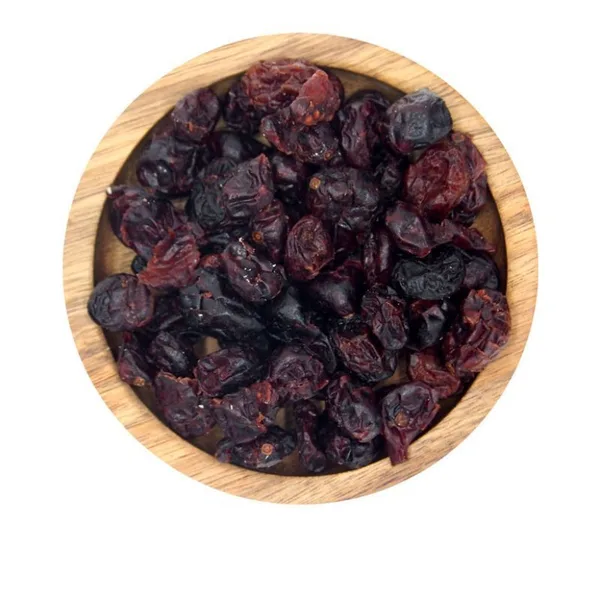
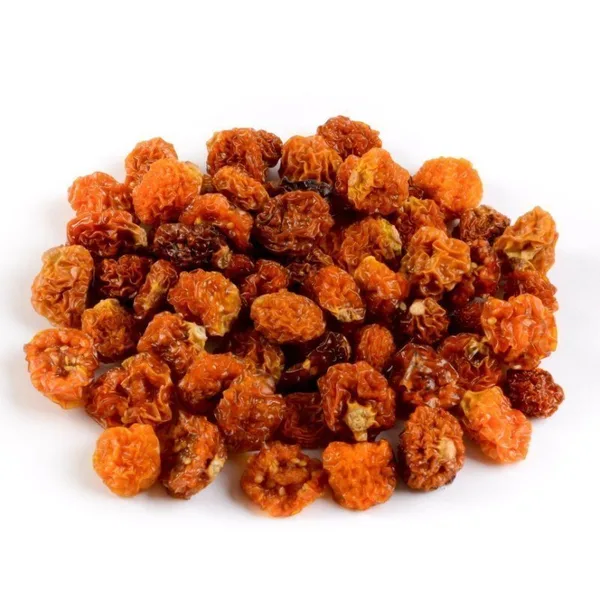
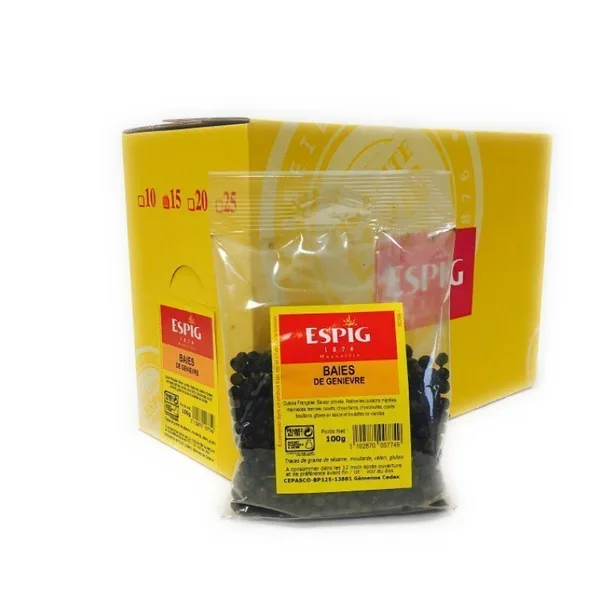
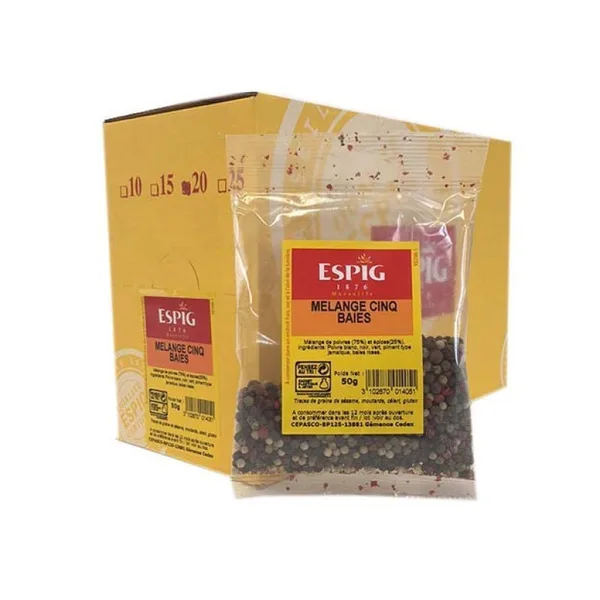
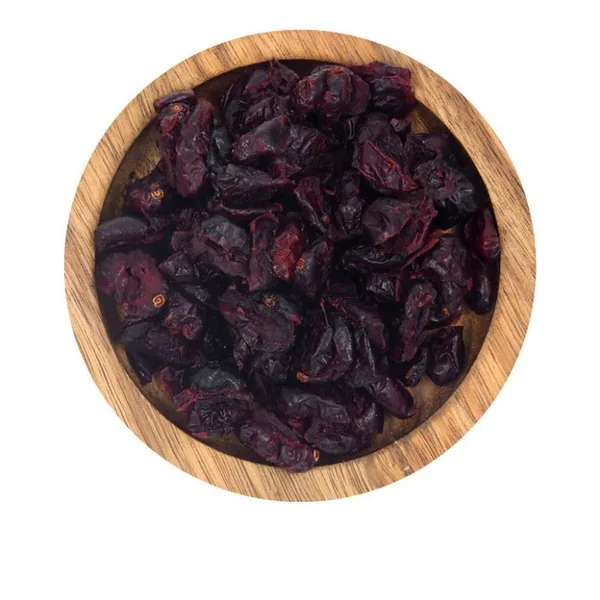
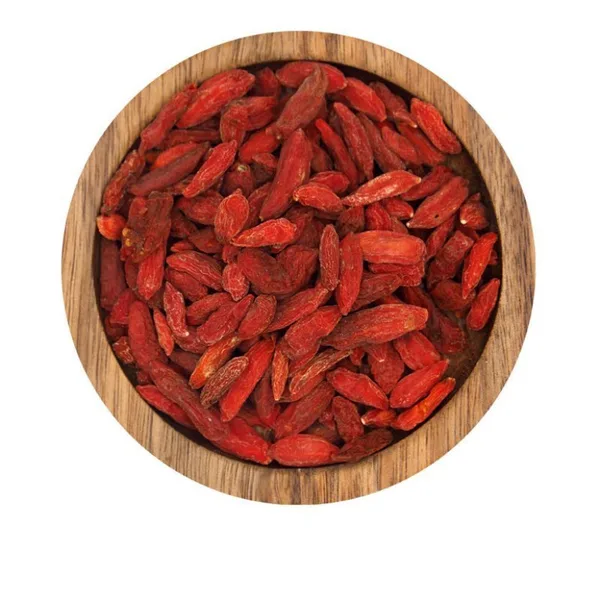
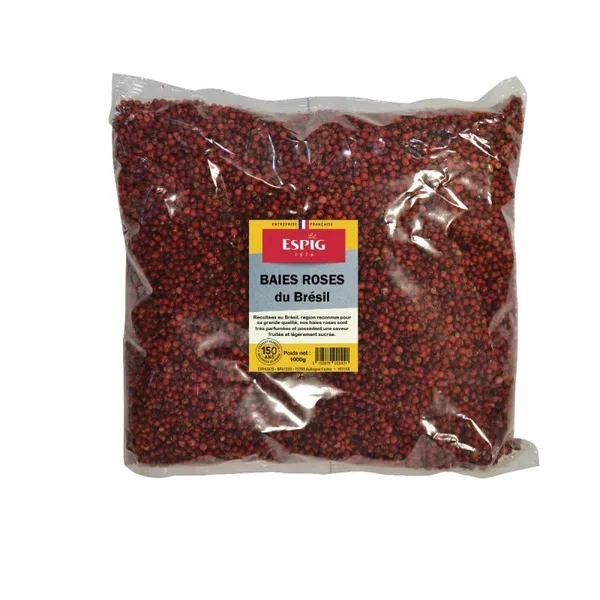
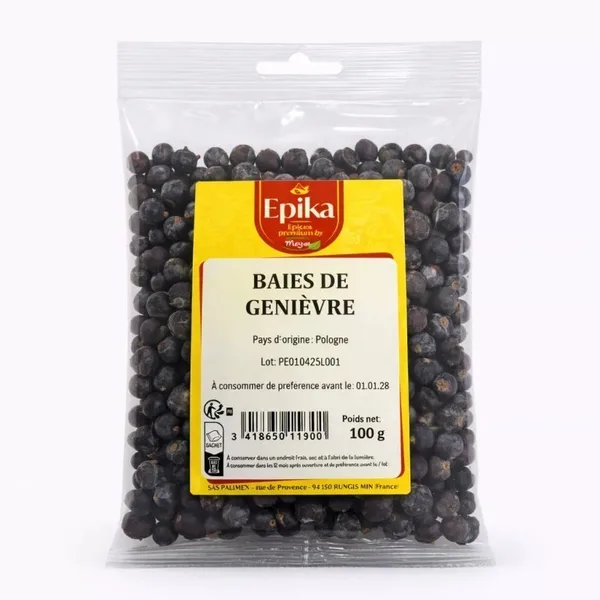
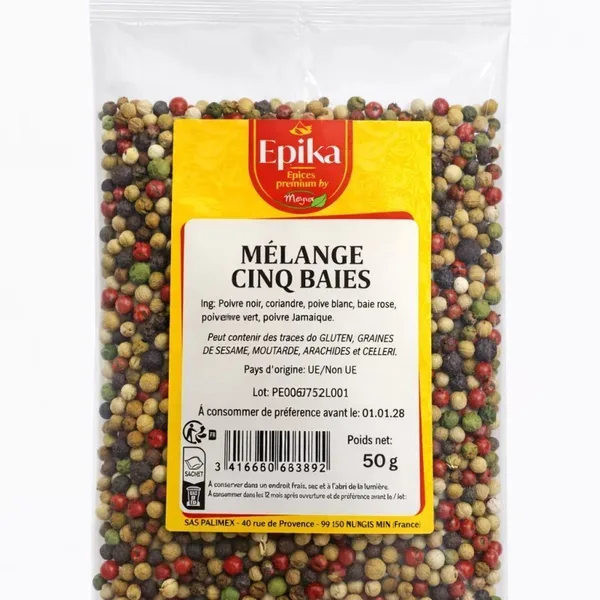
That is the quirk of this range: the word "berry" covers products with nothing in common in use. Cranberry, goji and inca berry are sweet dried fruits, bought by the kilo to go into blends and pastry. Pink peppercorns, juniper and the five-berry blend are aromatics, bought in small packs to season. Palimex, a food wholesaler since 1984, lists them together because buyers look for them in the same place, but the purchasing decision has nothing in common between the two.
For the first family, the question is grade and format: whole or halved, pail or carton. For the second, aromatic freshness decides, and therefore the small pack rather than the sack.
Comparing the references
| Berry | Form | Packs | Trade use |
|---|---|---|---|
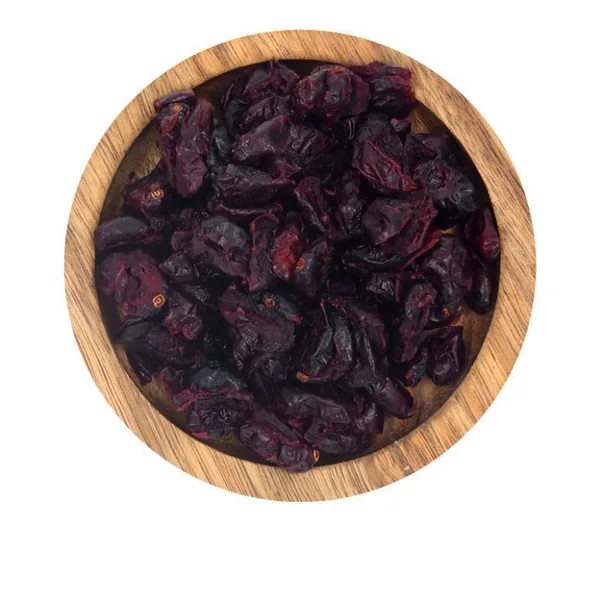
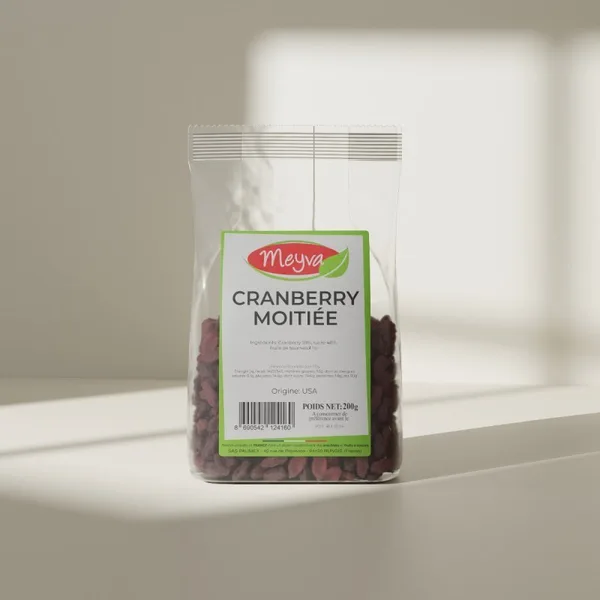
| Cranberry | Halved | 10x1 kg, 5 kg pail, 12x200 g | Granolas, cookies, fruit breads, blends |
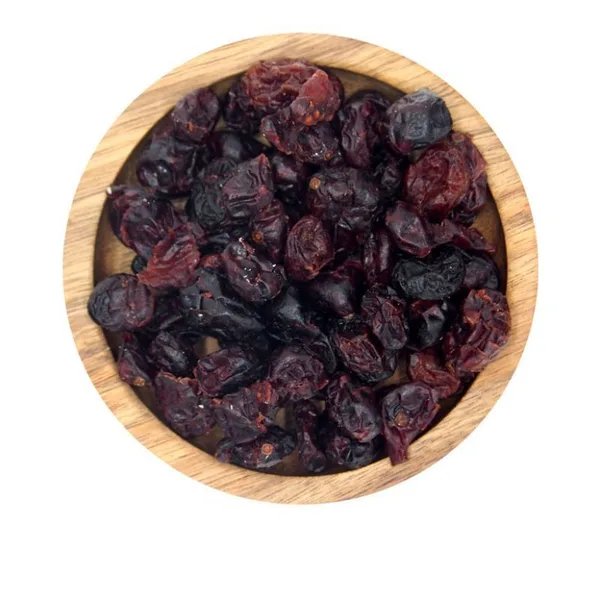
| Cranberry | Whole | 11.34 kg carton, 5 kg pail | Platters, salads, dessert finishes |
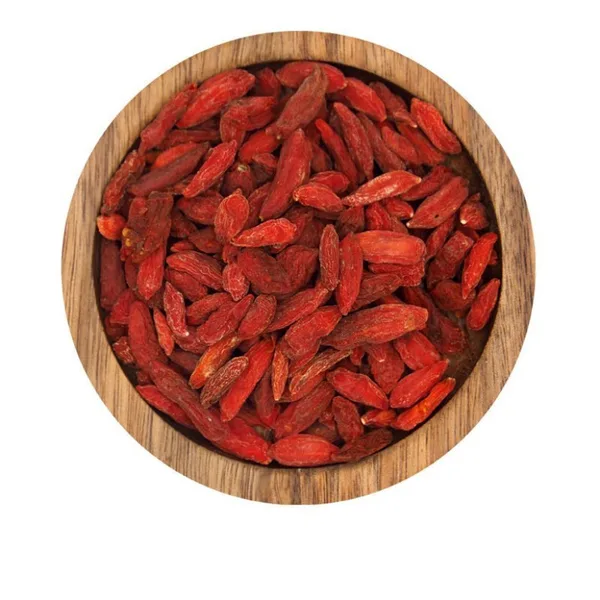
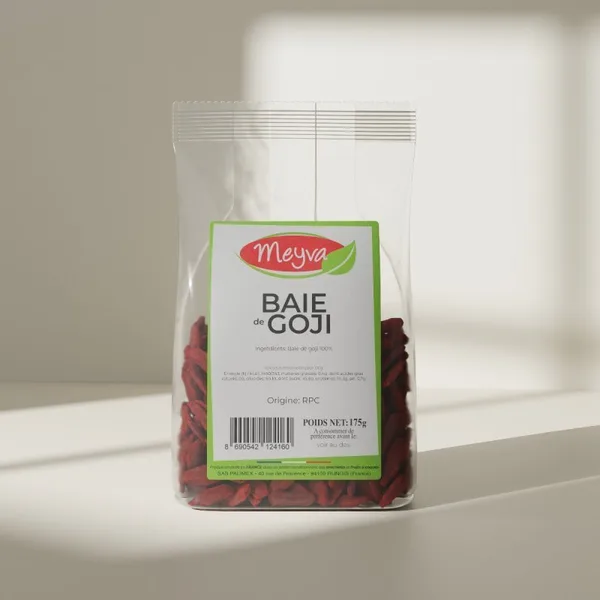
| Goji berry | Whole | 8x1 kg, 4 kg pail, 12x175 g | Blends, bowls, toppings, retail resale |
| Inca berry (physalis) | Whole | 5 kg | Fine grocery, premium blends |
| Pink peppercorns | Whole | 1 kg | Seasoning, plating, fish and poultry |
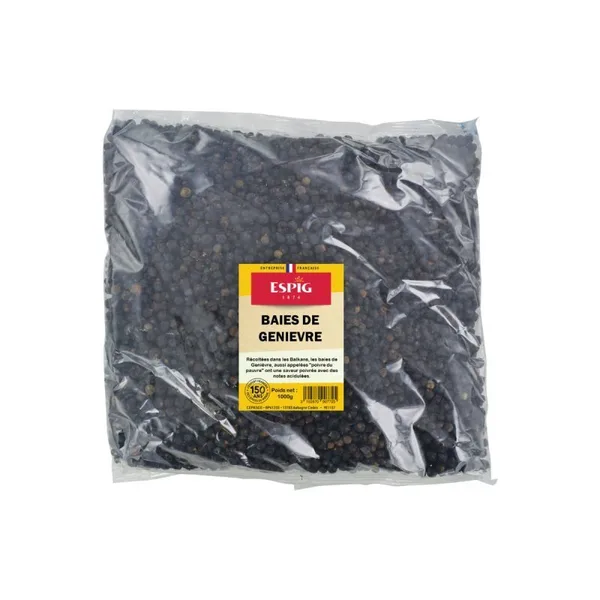
| Juniper berry | Whole | 1 kg, 15x100 g | Marinades, game, sauerkraut, charcuterie |
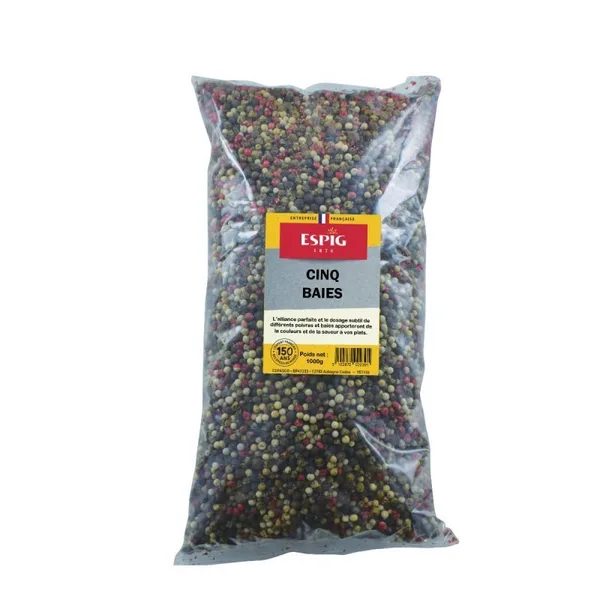
| Five-berry blend | Whole or ground | 1 kg, 20x50 g | Table mill, everyday cooking |
A storage mistake costs more than an ordering mistake on this range. Pink peppercorns and juniper are volatile: stored next to an open pail of cranberry, they pass on their scent within days. We always advise physically separating the two families in the stockroom, even when they arrive on the same pallet.
Whole or halved: the decision that matters
On cranberry, the cut changes the recipe. Halved berries disperse through a dough and give even distribution: that is the format for granolas, cookies and fruit breads, where you want fruit in every bite without unbalancing the crumb. Whole berries, fleshier, stay visible and eat on their own: they earn their place on a platter, in a composed salad or as a dessert finish.
Price per kilo is not the right criterion here. Whole cranberries broken up by hand to save on halved ones cost more in kitchen labour than they save at purchase.
Uses by trade
- Bakers and pastry chefs: halved cranberry in 10x1 kg for fruit breads and biscuit work, where its slight acidity cuts through the sugar.
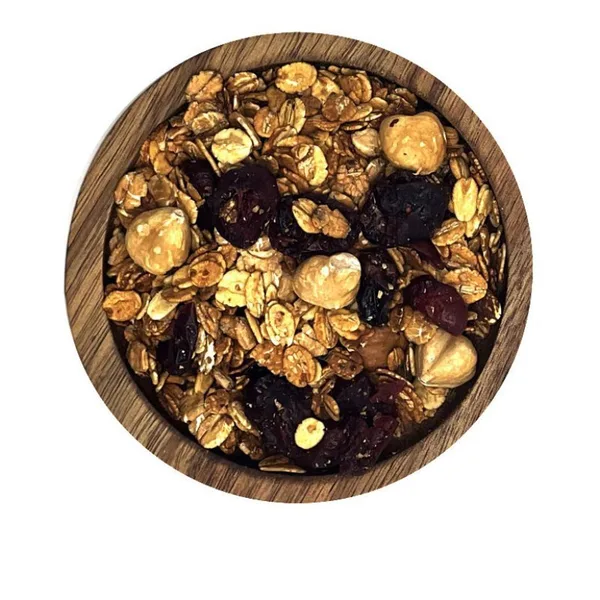
- Granola and blend manufacturers: goji in 8x1 kg and halved cranberry in 5 kg pails, added after baking to preserve colour.
- Restaurants and caterers: pink peppercorns and juniper at the hot station, whole cranberry in composed salads and on cheese boards.
- Fine grocers: 12x175 g of goji and 12x200 g of cranberry, shelf-ready without repacking.
- Charcutiers: juniper berry in 1 kg, the classic reference for marinades and game preparations.
Storage and colour retention
Sweet dried berries are wetter than the average of the range, which makes them prone to two opposite faults: they clump in a warm room and harden in a container left open. A resealable pail solves both and is preferable to a carton as soon as rotation exceeds two or three weeks.
Light is the other, less obvious enemy: it dulls the colour, and on products bought partly for their appearance — the red of cranberry, the orange of goji — that shows on the plate before it shows in the taste. Store in a dark room, in an opaque container, with the opening date on the pail and first-in, first-out rotation.
Regulatory status of certain berries
Several exotic berries fall under the European novel food framework, which covers foods without a significant history of consumption in the Union before 1997 and sets the conditions for placing them on the market. The catalogue and applicable rules are published by the European Commission: European Commission — novel food.
The purchasing consequence is concrete: ask for the technical sheet before adding an uncommon berry to a recipe intended for resale. It documents the origin, the lot and the product's status, which saves you reconstructing it under inspection.
Ordering your wholesale berries
Trade prices display once your account is approved, the site being reserved for registered businesses. Minimum pack size is 5 kg and delivery is by pallet, carriage paid above the threshold. For regular production — a weekly granola, a permanent fruit bread range — a scheduled quotation locks form and format across several deliveries. You can consolidate your pallet across the whole wholesale dried fruit range.