

Available products
8 references

Looking for a wholesale dried fruit supplier?
I'm Jessica, your dedicated wholesale account manager.
Direct sourcing — Rungis and Bordeaux.
- ✓Direct sourcing from producers
- ✓Quality controlled (shelf-life, calibre, origin)
- ✓Next-day delivery in Île-de-France
- ✓Bulk, custom packaging, co-packing
- ✓B2B account with pricing tiers
Shipping & pickup
Rungis pickup
Pick up your order at our Rungis market depot. By appointment Monday through Friday.
Nationwide delivery
Delivery within mainland France and major European cities. Indicative lead time 24-48h.
Careful packaging
Reinforced cardboard, anti-shock padding, traceability labels.
Frequently asked questions
About this category
Desiccated or cubed: two products, two trades
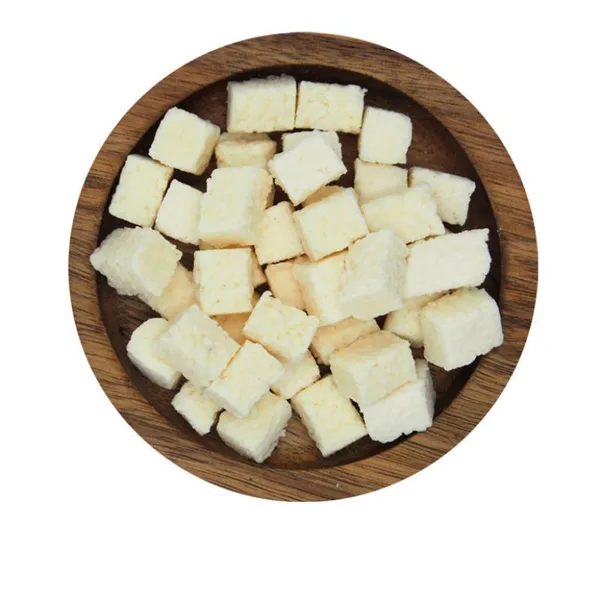
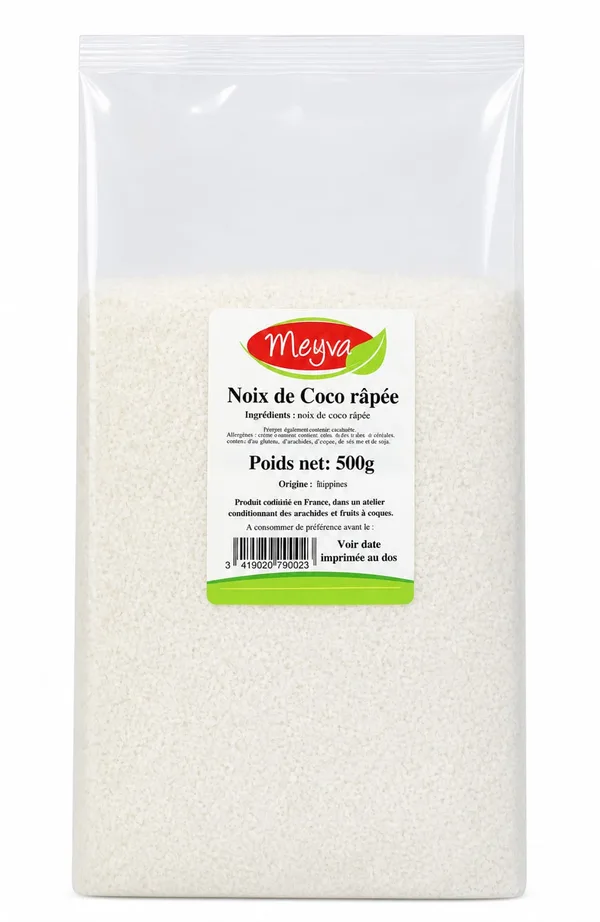
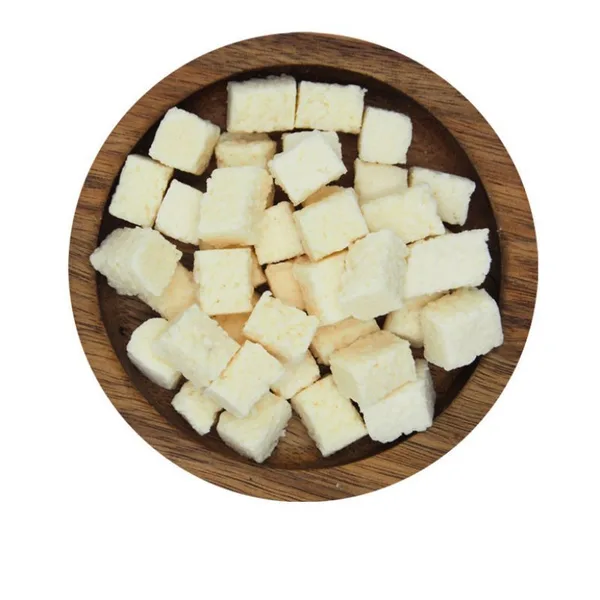
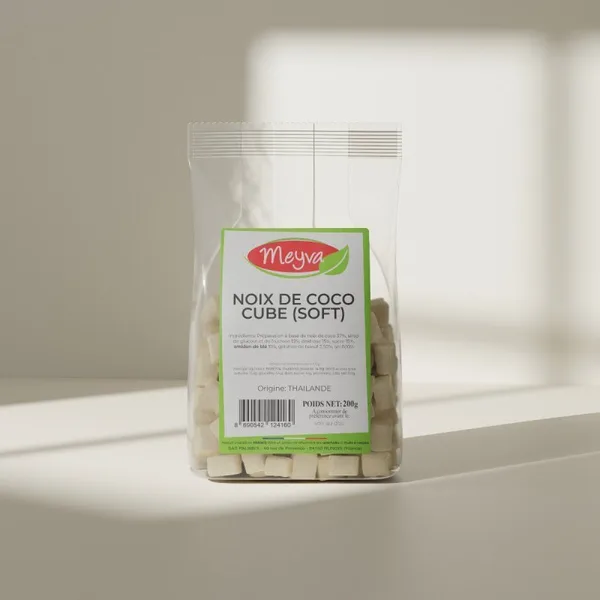
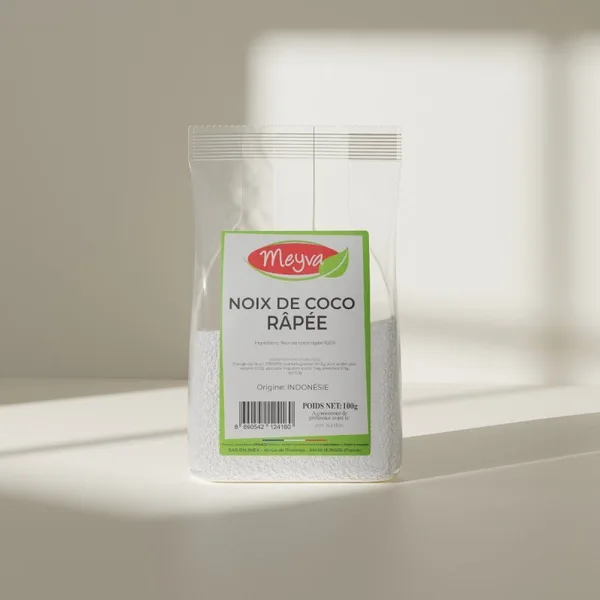
Coconut is one of the few items in the range where the cut completely changes the use. Desiccated is a dry ingredient, almost a coarse powder: it blends in, it absorbs, it structures. The soft cube is a tender candied fruit, sweet, eaten as it is. Confusing the two on an order form is the most common mistake we see, and it is paid for in a failed filling or a cardboard granola.
Palimex, a food wholesaler since 1984, stocks both families in professional formats. The choice follows the workstation: pastry and biscuit kitchens on one side, blend manufacturing and shelf presence on the other.
Comparing the forms and their uses
The 8-10 mm grade of the soft cube is a balance point: large enough to show in a blend, small enough not to unbalance a spoonful of granola. Desiccated coconut is chosen on pack size rather than on grind.
| Form | Grade | Pack | Trade use |
|---|---|---|---|
| Desiccated coconut | Fine | 12x500 g | Kitchen: macaroons, tart bases, coatings |
| Desiccated coconut | Fine | 12x100 g | Retail resale, small production runs |
| Soft cube | 8-10 mm | 12.5 kg carton | Blend manufacturing, high throughput |
| Soft cube | 8-10 mm | Resealable 4 kg pail | Medium turnover, protects tenderness |
| Tender cube | 8-10 mm | 12x200 g | Fine grocery, direct shelf placement |
A useful rule when deciding: if the product ends up baked, take desiccated; if it ends up bitten, take the cube. Baking dries the cube out and removes exactly what you are paying the premium for.
We say it often to newer kitchens: the soft cube is not a bigger desiccated. It holds more water, it sweetens the preparation more and it does not behave the same in the oven. When a customer calls because their granola has gone hard, the answer is nearly always there: the cube went through the bake instead of being added after.
Uses by trade
Every profession finds its way into this range, but rarely through the same door:
- Pastry chefs and biscuit makers: desiccated in 12x500 g for coconut macaroons, tart bases and truffle coatings.
- Bakers: desiccated as a finish on viennoiserie and brioche, where it colours in the oven without adding moisture.
- Blend and granola manufacturers: soft cubes in 12.5 kg cartons, added after baking to keep them tender.
- Caterers and savoury kitchens: desiccated in curries, Asian-inspired preparations and flavoured coatings.
- Fine grocers: cubes in 12x200 g, sold loose or on the shelf depending on available space.
Storage, moisture and station hygiene
The two forms do not age the same way. Desiccated coconut is a fatty product: it turns rancid if kept too long in heat or light, and the fault reaches the nose well before the eye. The soft cube, wetter, fears the opposite: it hardens in a poorly resealed container and sticks into a block in an overheated room.
In both cases: dry, temperate storage away from light, container resealed after each use and the opening date marked on the pail. Since loose-handled dehydrated products fall under general food hygiene rules, the applicable European framework is available on EUR-Lex — Regulation (EC) No 852/2004 on the hygiene of foodstuffs. In practice, a dedicated utensil per bin and traceable opening dates cover most of what an inspection will ask for.
Choosing your pack format
The 12.5 kg carton only makes sense if you empty it quickly: beyond two or three weeks open, the cube starts to harden at the surface. The 4 kg pail costs more per kilo but protects the product on slow rotation, which often works out cheaper once waste is counted. For resale, 12x200 g and 12x100 g avoid repacking and the labour that comes with it.
Ordering your wholesale coconut
Trade prices display once your account is approved, the site being reserved for registered businesses. Minimum pack size is 5 kg and delivery is by pallet, carriage paid above the threshold. For regular production — a granola made weekly, a permanent coconut macaroon line — a fixed-cadence quotation locks format and grade across several deliveries. You can consolidate your pallet across the whole wholesale dried fruit range.