
Available products
21 references

Looking for a wholesale dried fruit supplier?
I'm Jessica, your dedicated wholesale account manager.
Direct sourcing — Rungis and Bordeaux.
- ✓Direct sourcing from producers
- ✓Quality controlled (shelf-life, calibre, origin)
- ✓Next-day delivery in Île-de-France
- ✓Bulk, custom packaging, co-packing
- ✓B2B account with pricing tiers
Shipping & pickup
Rungis pickup
Pick up your order at our Rungis market depot. By appointment Monday through Friday.
Nationwide delivery
Delivery within mainland France and major European cities. Indicative lead time 24-48h.
Careful packaging
Reinforced cardboard, anti-shock padding, traceability labels.
Frequently asked questions
About this category
Wholesale peanuts: a family of products, not one item
The word "peanut" covers products that share neither use nor buyer. A blanched raw groundnut destined for a pastry kitchen and a wasabi cracker sold over a wine bar counter have a raw material in common and nothing else. Palimex, a food wholesaler since 1984, organises the range around that reality: working form first, coating second.
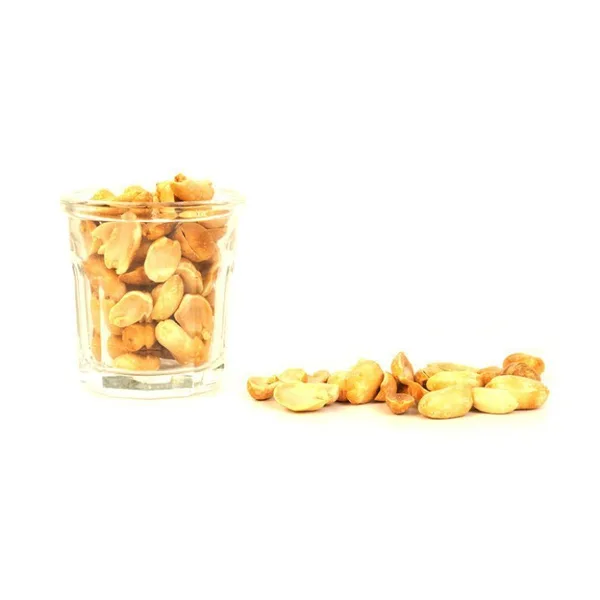
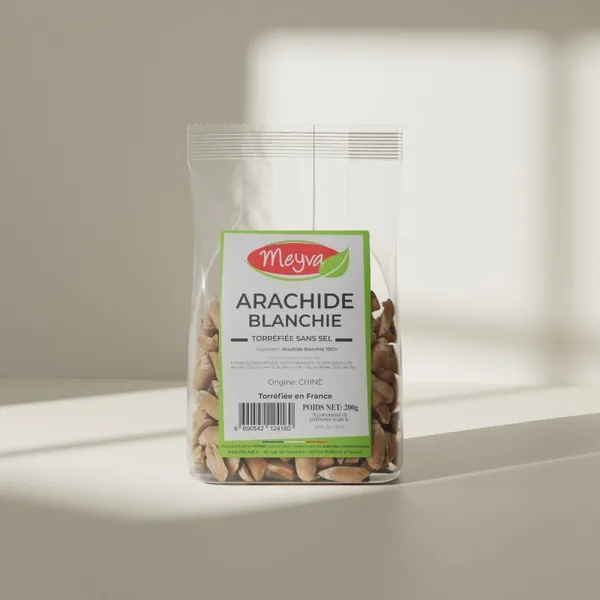
The first decision is the state of the nut on delivery. Raw, it leaves you in charge of roasting, salt level and the moment the product reaches the display — the choice of artisans who roast on site. Roasted unsalted, it arrives ready but neutral, keeping seasoning in your hands. Roasted and salted, it is a finished product, immediately servable: the format for foodservice operators with neither the time nor the station to transform it.
Blanched, red-skin, in-shell: which peanut for which station?
Grade and skin shape the visual result as much as the taste. Red-skin peanuts keep their papery coat, giving a rustic, faintly bitter note; blanched nuts, skin removed, give a pale even finish that shows off a coloured coating.
| Form | Grade / format | Pack | Workstation |
|---|---|---|---|
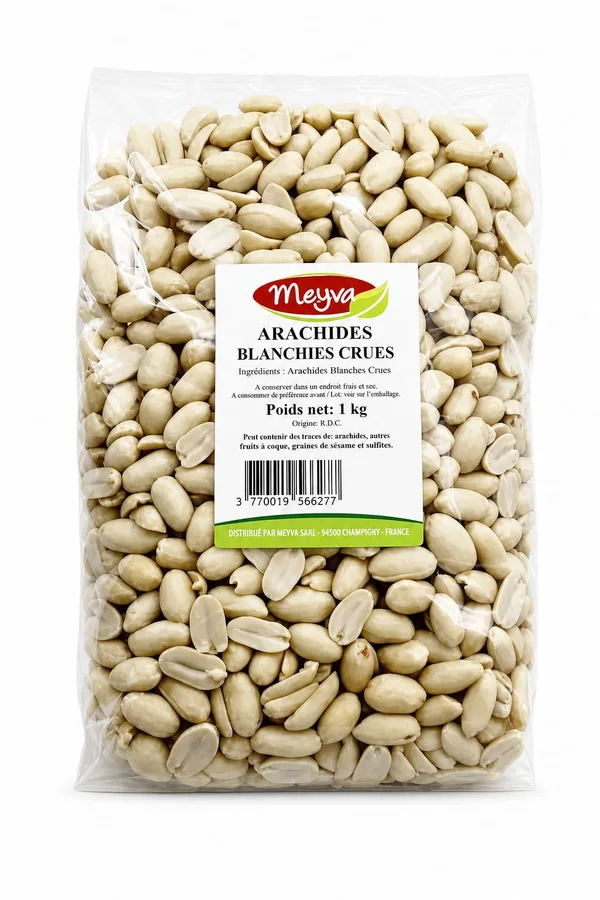
| Blanched raw | Standard | 10x1 kg | Kitchen, in-house roasting, praline |
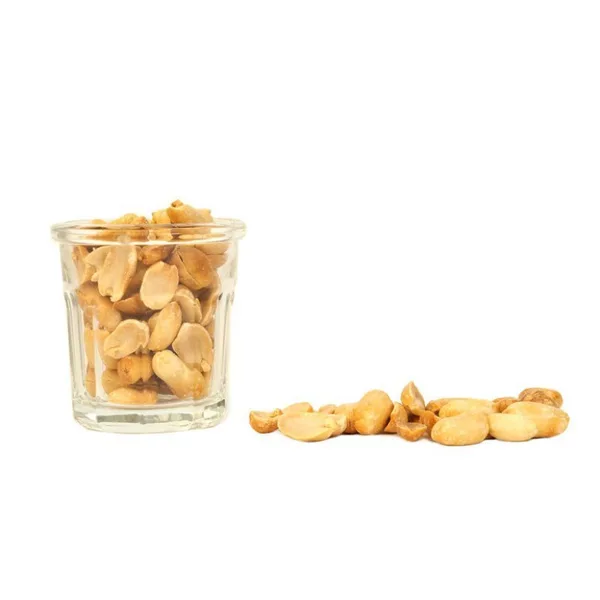
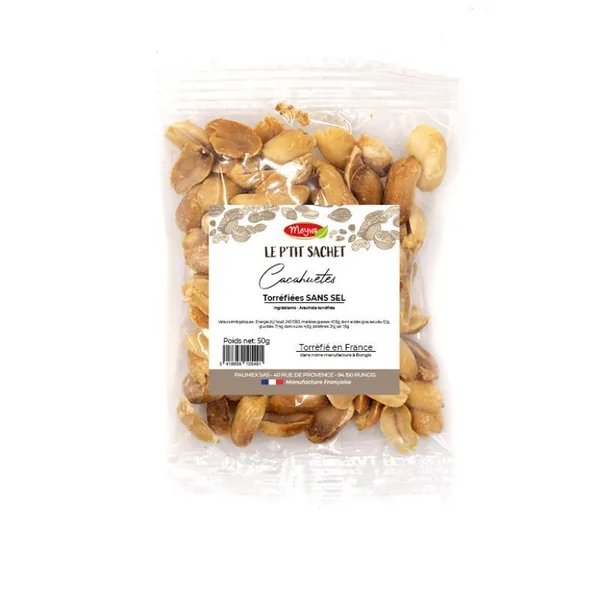
| Blanched roasted unsalted | 25/29 | 2.5 kg, 12x200 g, 20x50 g | Season to order, neutral snacking |
| Blanched roasted salted | Jumbo | 10 kg carton | Foodservice, bar counter, snack bowl |
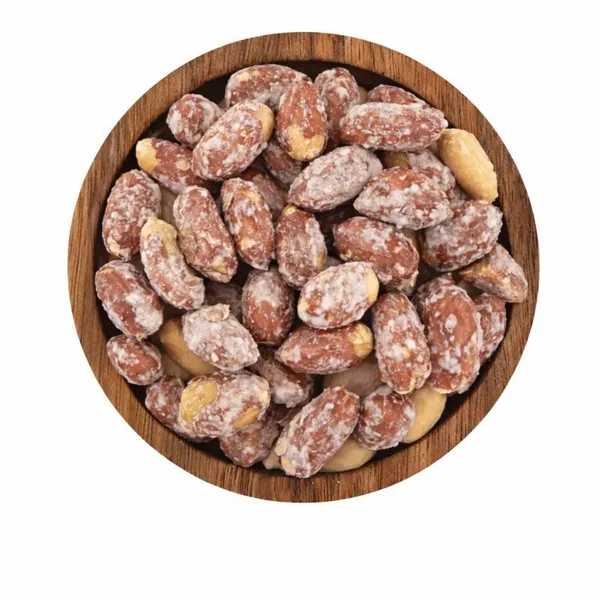
| Red-skin roasted salted | Jumbo | 10 kg carton | Rustic aperitif, sharing boards |
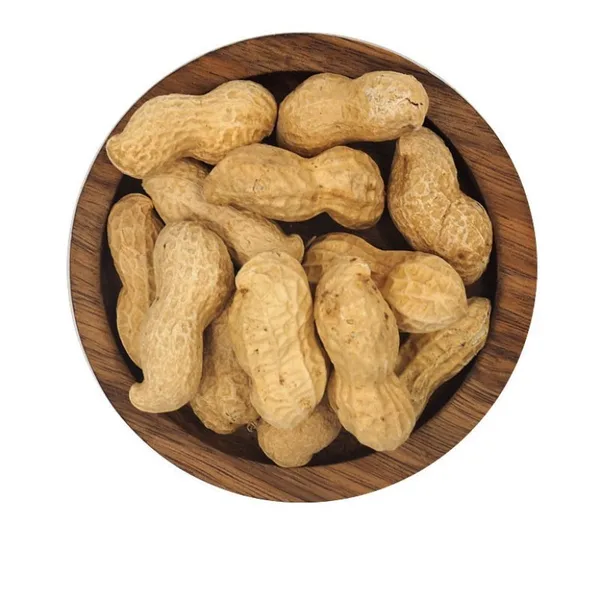
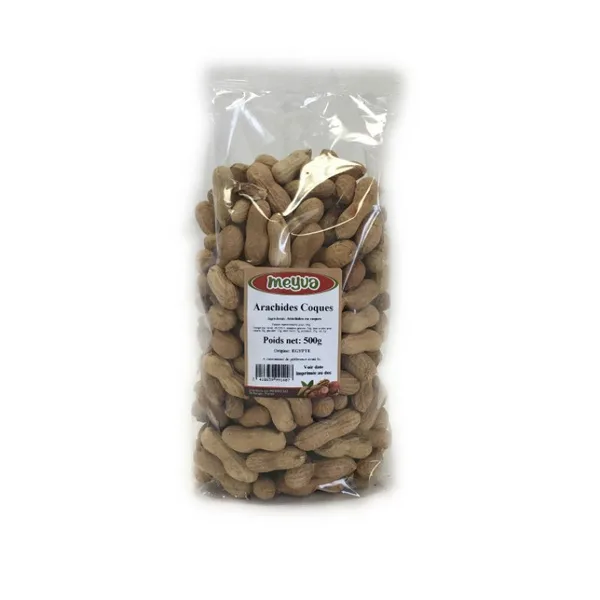
| In shell | Whole | 2 kg pail, 8x500 g | In-store theatre, self-service bins |
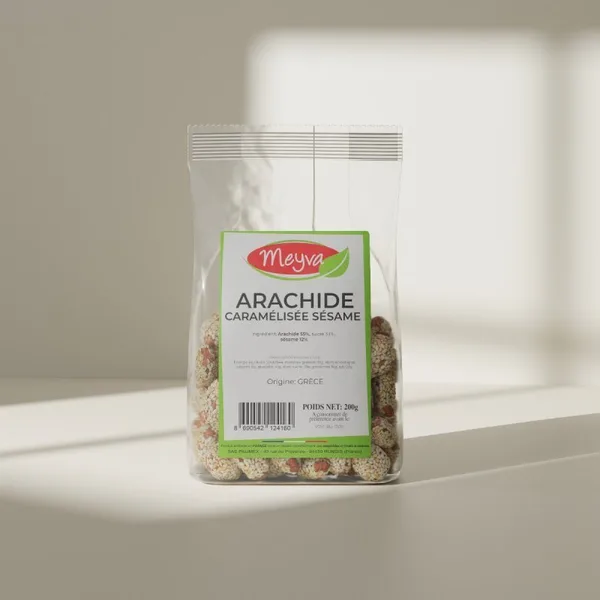
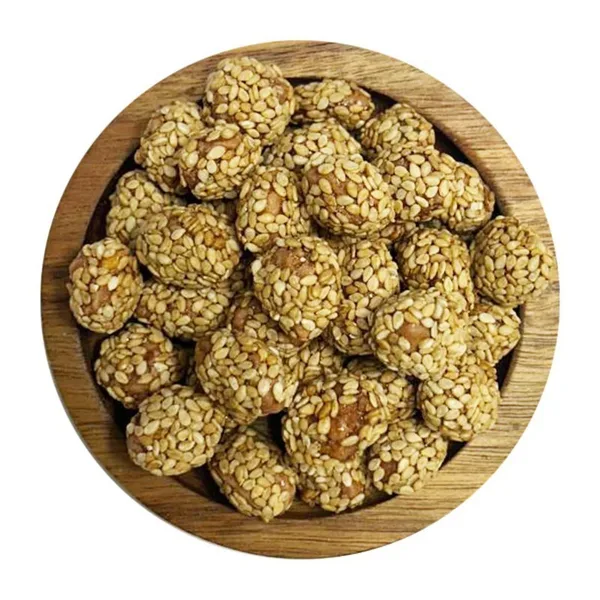
| Sugared, sesame-caramelised | — | 4 and 5 kg pails, 12x200 g | Grocery, confectionery, resale |
One observation from the field: in-shell peanuts are not a volume line, they are an atmosphere line. They work when the customer cracks them — on a brasserie table, in a self-service bin — and lose the point entirely when served already shelled.
What we see across our foodservice customers: Jumbo grade pays for itself. An operator moving from standard to Jumbo on the counter changes neither price nor portion, yet the bowl looks better filled. It is one of the rare trade-ups that costs almost nothing in margin.
The snack range: coatings and crackers
This is where turnover makes the margin. Coatings dull faster than they expire: a crunchy product that has taken on moisture still sells, but it no longer brings anyone back. Our range covers the families most asked for:
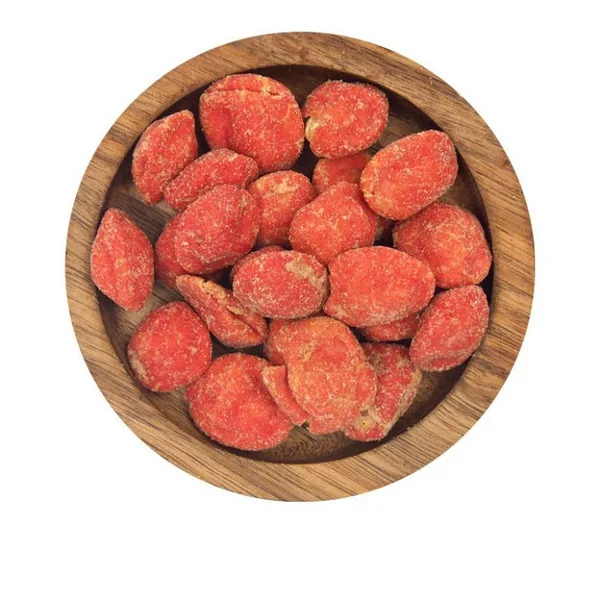
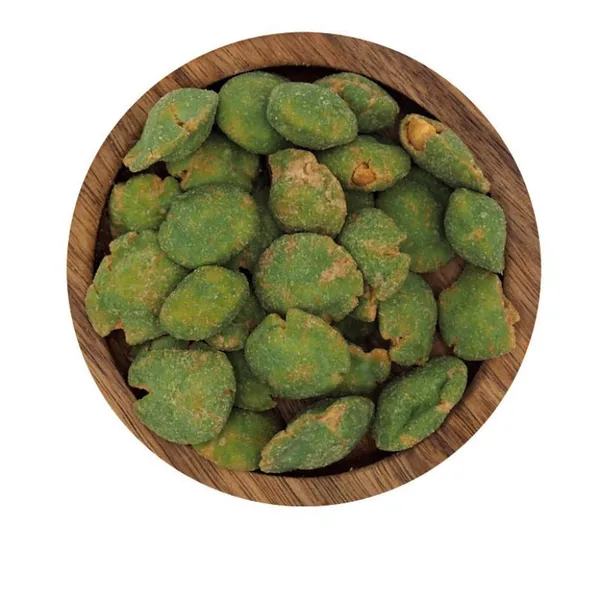
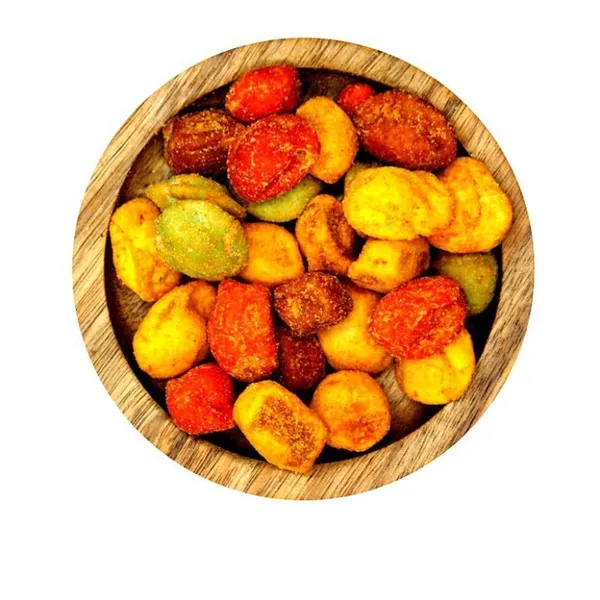
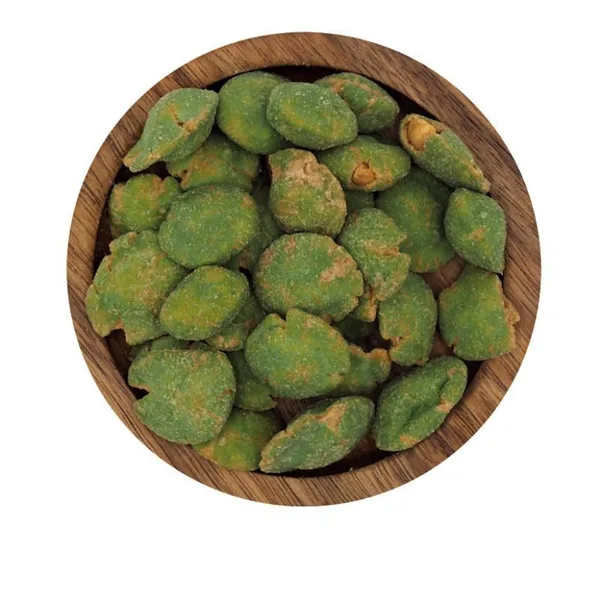
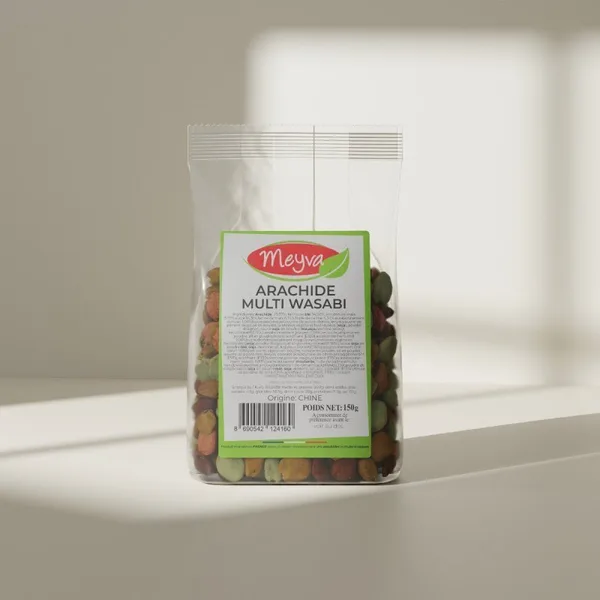
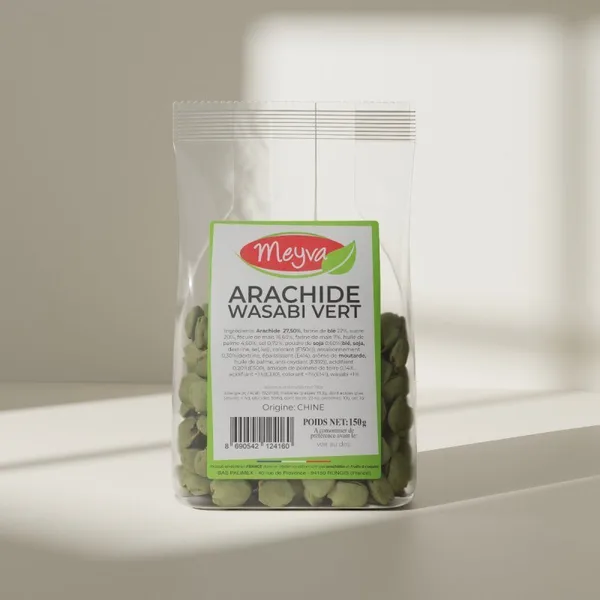
- Green, red and mixed wasabi — 3.5 to 4 kg pails for service, 12x150 g for resale; the mixed version adds colour to a shared bowl.
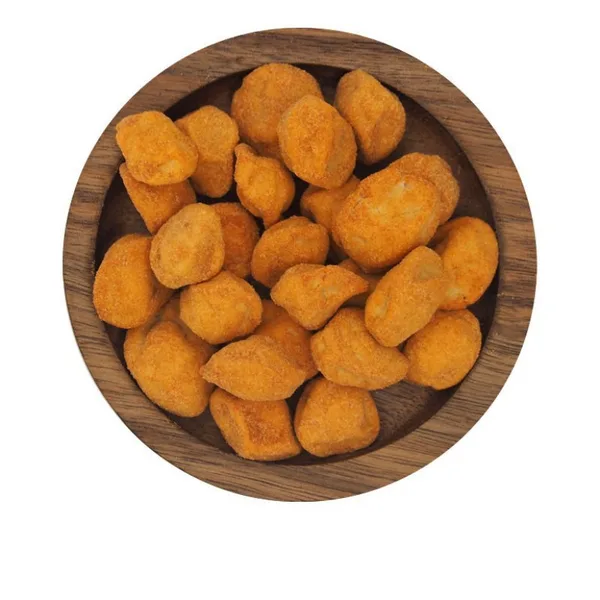
- Coated crackers — green wasabi in 7.5 kg and BBQ in a 4 kg pail, the coated shell giving a sharper crunch than the bare nut.
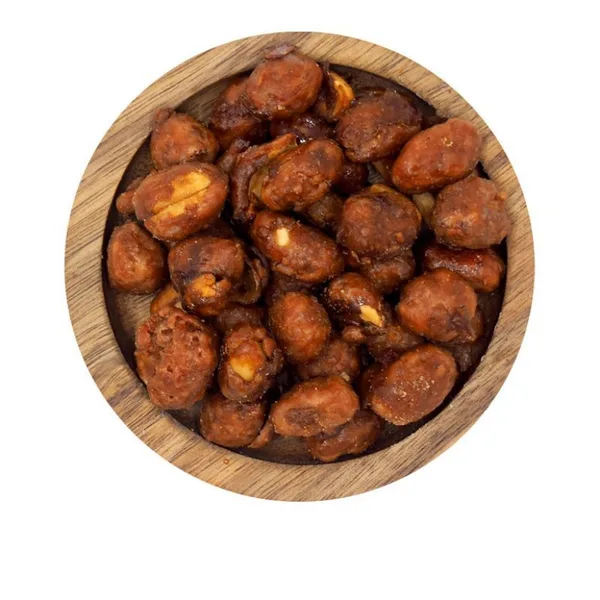
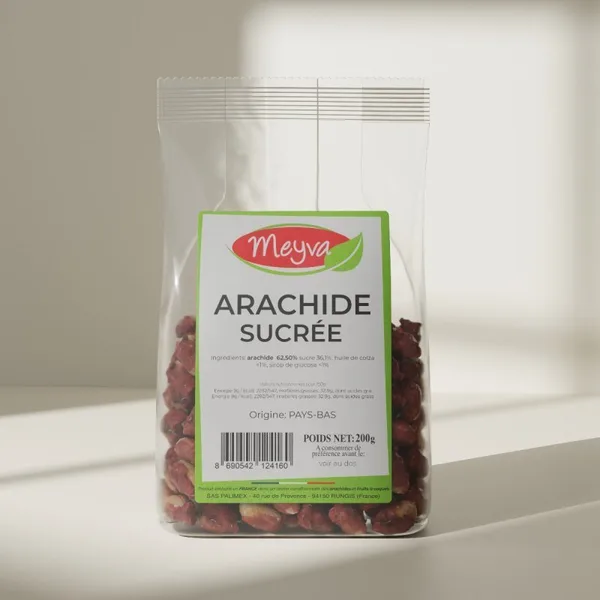
- Sugared and caramelised — sugared without colouring in 5 kg pails, sesame-sugared in 4 kg, sesame-caramelised in 12x200 g for the shelf.
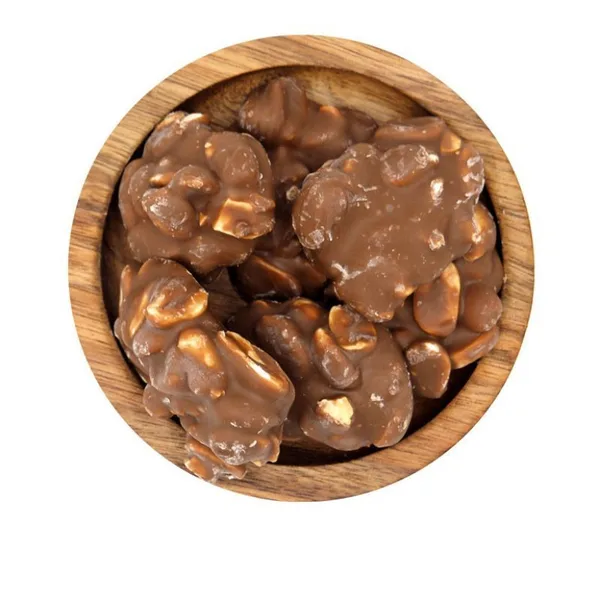
- Milk chocolate clusters — 4 kg pail, an impulse line in fine grocery and travel retail.
Pack formats, turnover and storage
Format follows sales speed, not price per kilo. A 10 kg carton opened in a busy bar empties in days; the same carton in a neighbourhood grocer takes three weeks and ends up soft. The resealable pail exists for that second case: it protects the crunch between services where a carton lets moisture in.
In the stockroom, peanuts need a dry, temperate space away from direct light. Coated products are more fragile than bare nuts: a wasabi or caramel coating picks up ambient moisture and turns sticky. Mark each container with its opening date and run first-in, first-out — on this range it is texture, not the best-before date, that decides.
A major allergen: what labelling requires
Peanuts are one of the fourteen allergens subject to mandatory declaration listed in Annex II of the European food information regulation. For a restaurant, caterer or grocer selling loose, that means the information must be available at the point of sale, including for non-prepacked preparations. The reference text is available on EUR-Lex — Regulation (EU) No 1169/2011 on the provision of food information to consumers.
The practical risk lies less in the label than in cross-contamination in the kitchen: one pair of tongs shared between a peanut bin and the neighbouring nut bin is enough to invalidate a "peanut-free" claim on the second. A dedicated utensil per bin remains the simplest effective measure.
Ordering your wholesale peanuts
Prices show once your trade account is approved, the site being reserved for registered businesses. Minimum pack size is 5 kg and delivery is by pallet, carriage paid above the threshold. For a recurring need — a bar consuming the same grade weekly, a grocer holding a fixed shelf — a scheduled quotation saves reordering at every stockout. You can consolidate your pallet across the whole wholesale dried fruit range.