
Available products
21 references


Looking for a wholesale dried fruit supplier?
I'm Jessica, your dedicated wholesale account manager.
Direct sourcing — Rungis and Bordeaux.
- ✓Direct sourcing from producers
- ✓Quality controlled (shelf-life, calibre, origin)
- ✓Next-day delivery in Île-de-France
- ✓Bulk, custom packaging, co-packing
- ✓B2B account with pricing tiers
Shipping & pickup
Rungis pickup
Pick up your order at our Rungis market depot. By appointment Monday through Friday.
Nationwide delivery
Delivery within mainland France and major European cities. Indicative lead time 24-48h.
Careful packaging
Reinforced cardboard, anti-shock padding, traceability labels.
Frequently asked questions
About this category
A seed range built for production, not retail
For a professional, a seed is almost never a finished product: it is a recipe component. It goes into a dough, sits on a crust, structures a blend or finishes a plate. That position changes how it should be bought: what matters is not the seed's taste on its own but its grade consistency, its keeping quality and a pack format that avoids repacking it three times.
Palimex, a food wholesaler since 1984, covers this range across every throughput: from the 25 kg sack of pumpkin seeds for an industrial bakery to the 20x100 g of flax seed destined for fine-grocery resale.
Which seed for which workstation?
The first sort is between seeds that are seen and seeds that are tasted. A topping seed is bought for its colour and its grip on the crust; an inclusion seed is bought for its crunch and its yield per kilo.
| Seed | Formats | Main use | Working note |
|---|---|---|---|
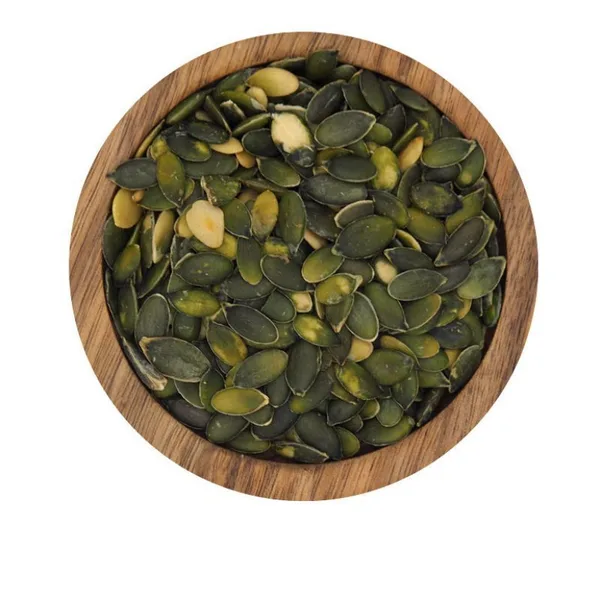
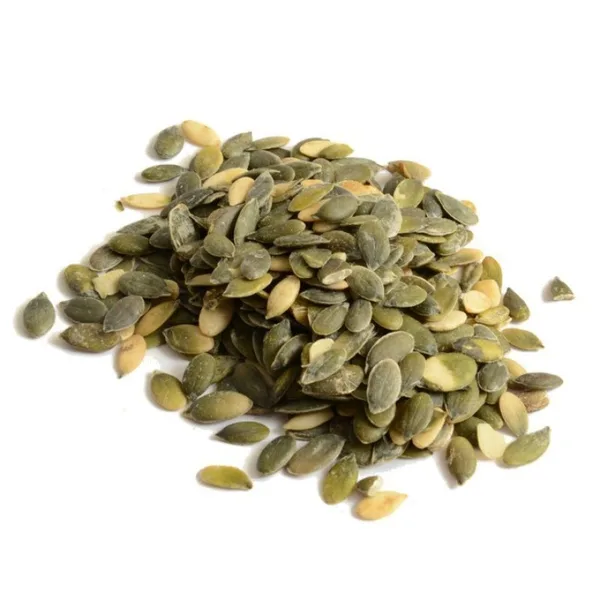
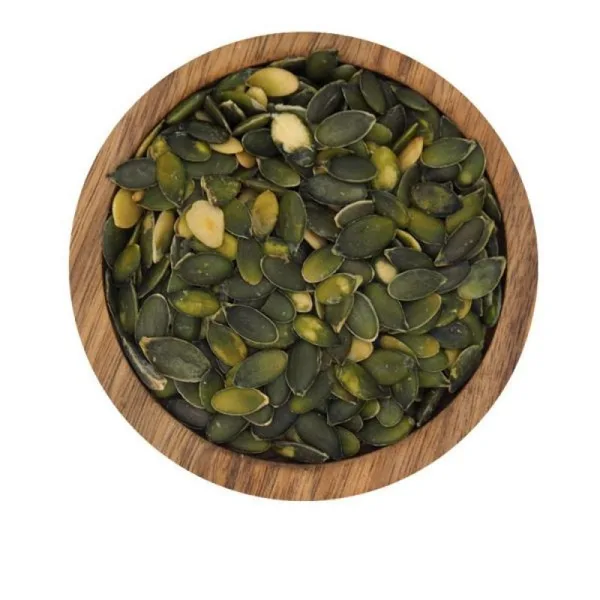
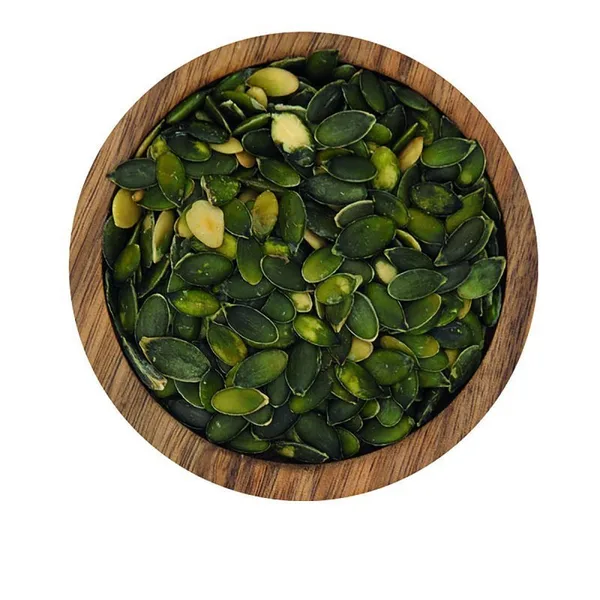
| Raw hulled pumpkin | 25 kg sack, 5 kg pail, 10x1 kg, 20x400 g | Blends, granolas, toppings, specialty breads | The most versatile of the range, large visible grade |
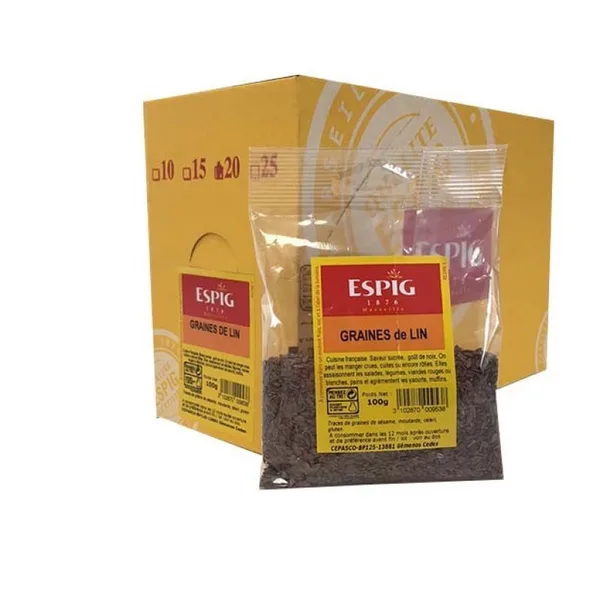
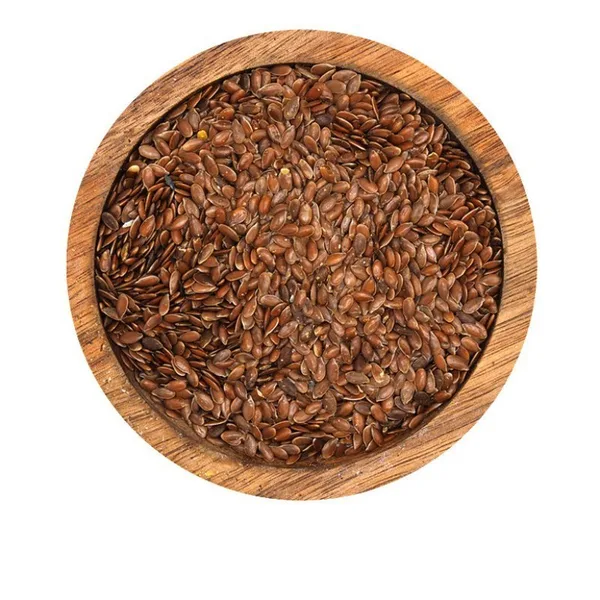
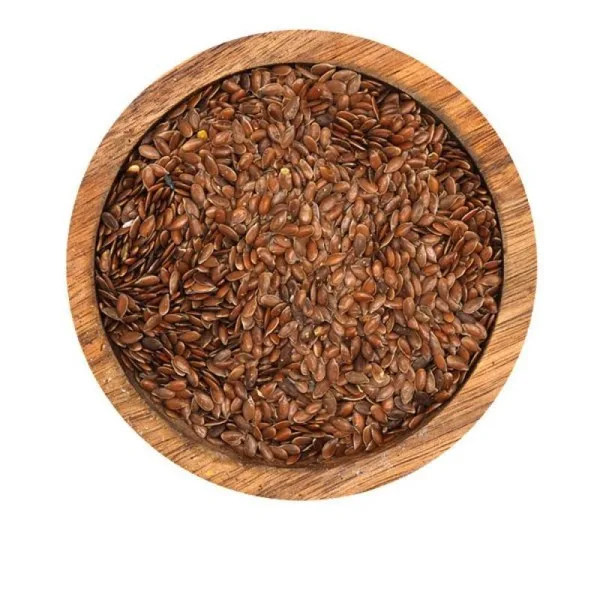
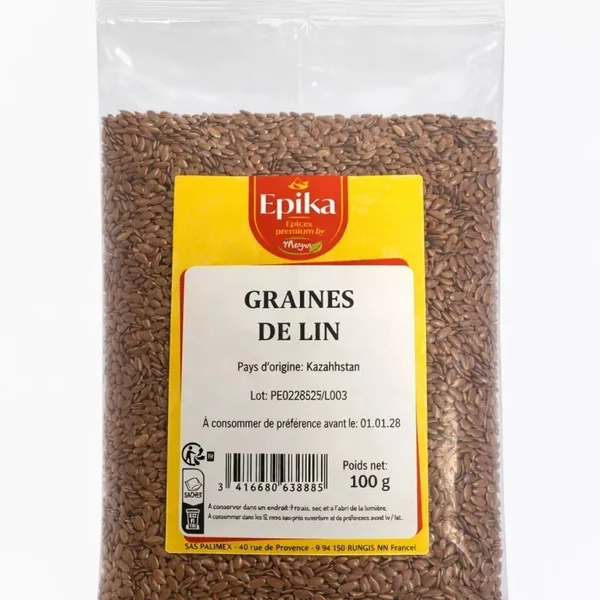
| Flax | 10x1 kg, 20x400 g, 20x100 g | Multigrain breads, crust topping | Grips well when sprayed, very good yield |
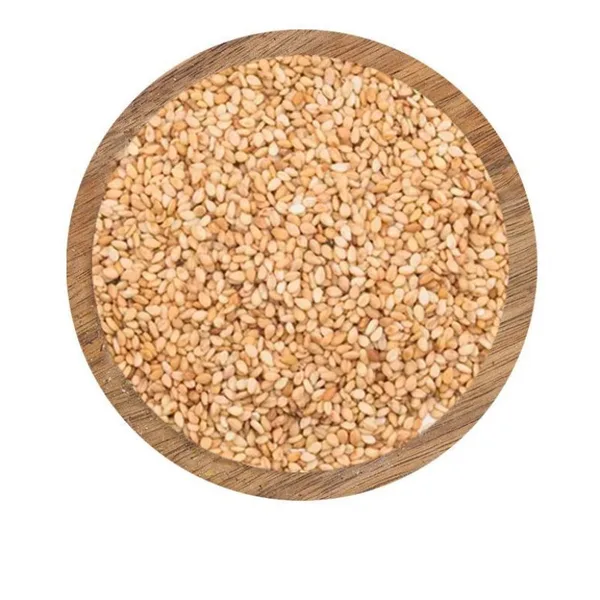
| Golden sesame | 10x1 kg | Topping, burger buns, Middle Eastern cooking | Warm colour after baking, declarable allergen |
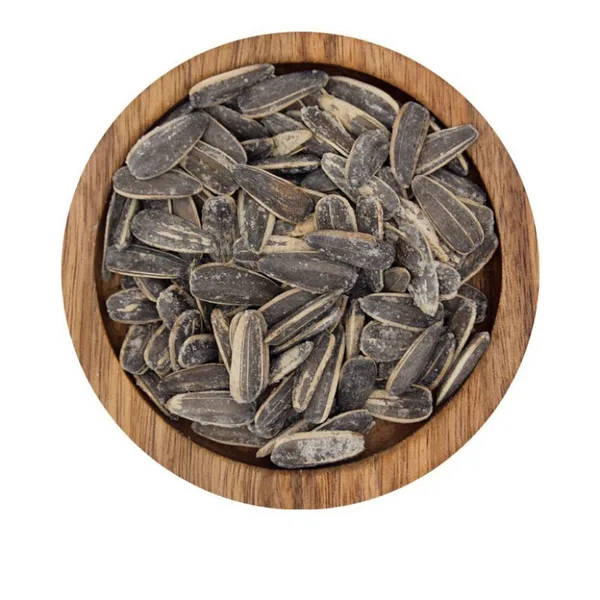
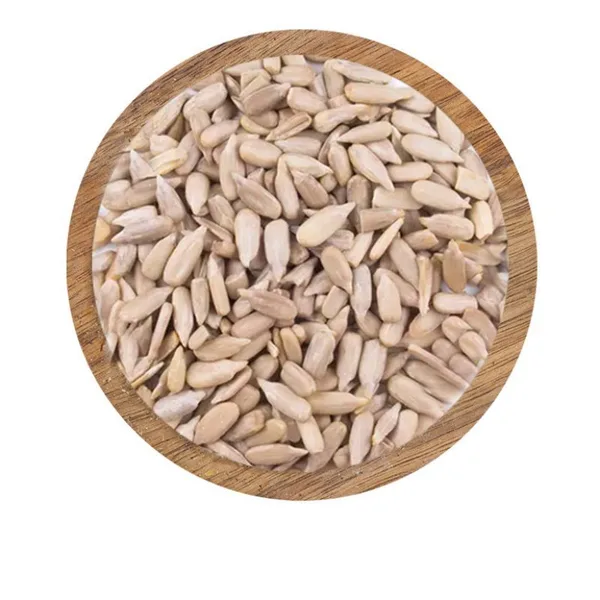
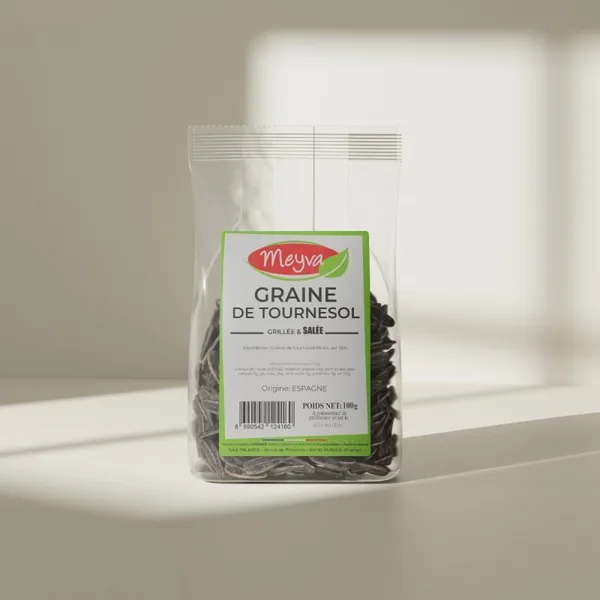
| Sunflower, hulled or roasted-salted | 20x400 g, 12x100 g, 2 kg pail | Crumb, blends, savoury snacking | The roasted-salted is sprinkled, not baked |
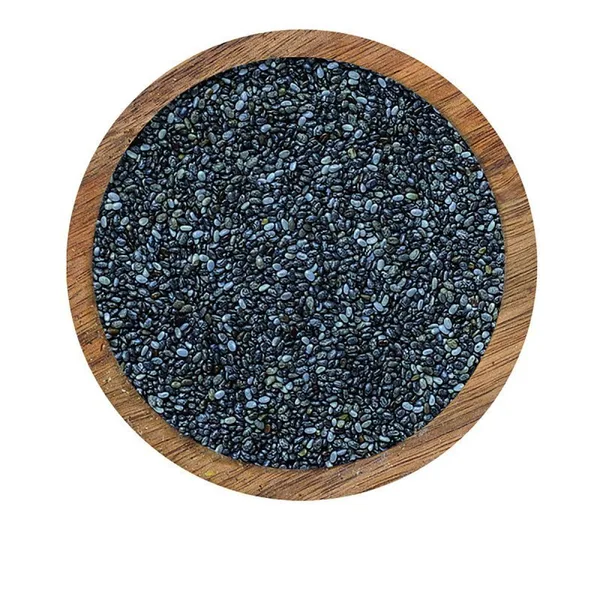
| Chia | 10x1 kg, 40x250 g | Puddings, drinks, pastry | Absorbs liquid heavily, dose separately |
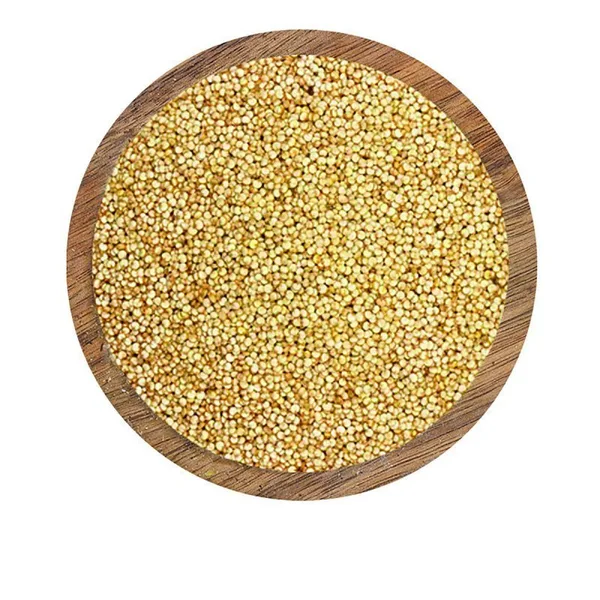
| White quinoa | 10x1 kg | Composed salads, garnishes | Rinse before cooking |
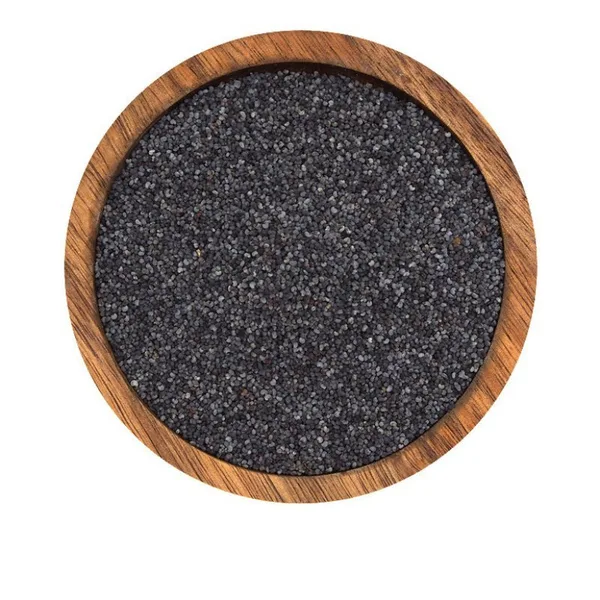
| Blue poppy | 20x400 g | Topping, Central European pastry | Very small grade, strong contrast |
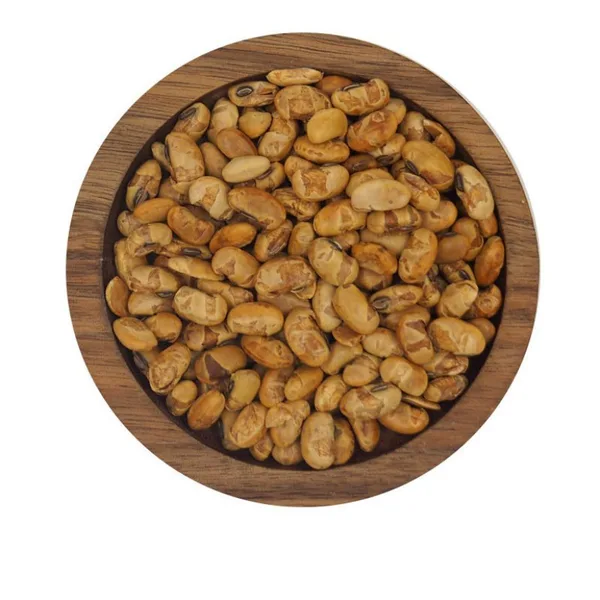
| Roasted soya | 4 kg pail | Aperitif, savoury mixes | Sharp crunch, holds up in a bowl |
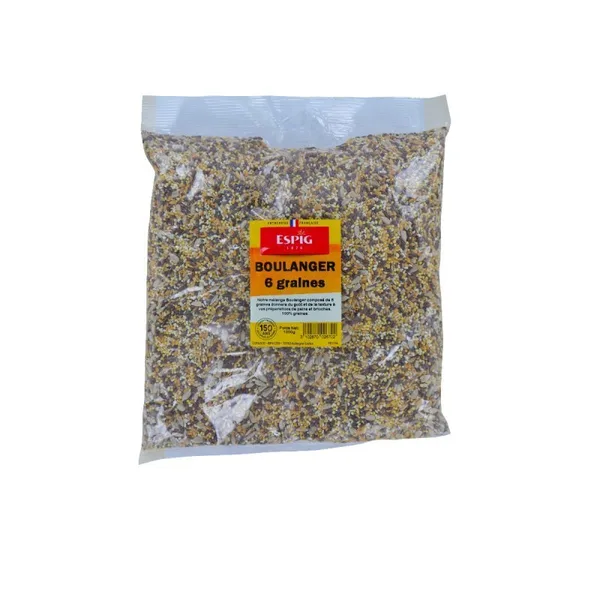
The advice we give most often to bakers starting a specialty bread range: begin with the 6-seed mix rather than seven separate sacks. You stabilise the recipe, you avoid seven rotations to monitor, and you move to individual seeds only when volume justifies it.
Ready-made blends
Two references save you composing your own and managing as many lots as ingredients:
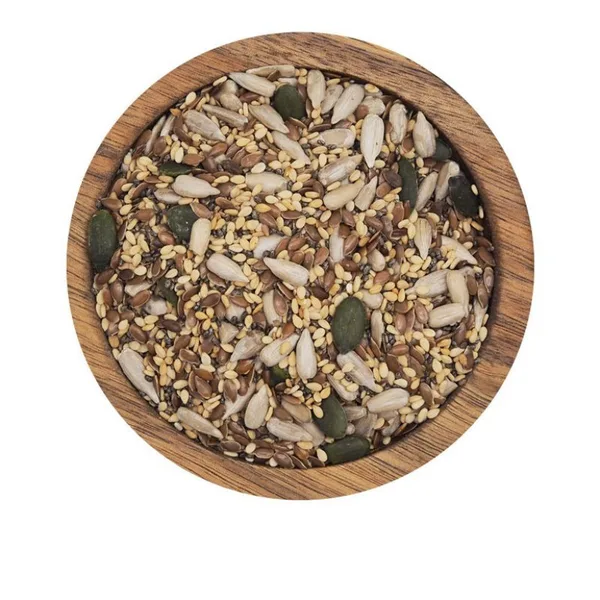
- 6-seed baker's mix in 1 kg — balanced for dough inclusion and crust topping, with a consistency from sack to sack that few workshops achieve mixing in-house.
- Salad seed mix in a 5 kg pail — built for the cold station of caterers and quick-service kitchens, where topping happens at plating.
- Toasting seed mix in 1 kg — a kitchen reference for preparations where seeds hit the pan before being folded in.
Storage: the real seed question
This is where seeds differ from the rest of the range. Most are oilseeds, hence sensitive to oxidation: pumpkin, sunflower and flax turn rancid well before their date if stored warm or exposed to light. The fault is detected by nose, not by eye, and baking will not rescue it.
Three rules cover nearly every incident we hear about: a dry, cool store rather than a lukewarm one; an opaque resealed container rather than an open sack; and first-in, first-out rotation with the opening date written on the container. A 25 kg sack only makes sense for a workshop that consumes it in a few weeks: beyond that, the 5 kg pail costs more per kilo and less in actual waste.
Regulatory framework: allergens and novel foods
Two points deserve a buyer's attention. First sesame, which is a mandatory declared allergen: its presence must be flagged, including on products sold non-prepacked. Second, some seeds fall under the European novel food framework, which governs market authorisation and permitted uses — chia seed among them. The reference text is available on EUR-Lex — Regulation (EU) 2015/2283 on novel foods.
In practice this translates into one simple purchasing habit: keep the technical sheet of each reference with its lot number. That is what an inspection will ask for, and it is also what lets you answer a trade customer asking about an ingredient in your bread.
Ordering your wholesale seeds
Trade prices appear once the account is approved, the site being reserved for registered businesses. Minimum pack size is 5 kg and delivery is by pallet, carriage paid above the threshold. For steady production — a specialty bread range, a weekly granola — a scheduled quotation locks references and formats across several deliveries. You can fill the pallet from the whole wholesale dried fruit range.